Everest Three Passes Trek

The Everest Three Passes Trek is one of the most challenging and adventurous trekking routes in Nepal’s Everest region, offering a complete Himalayan experience beyond the classic Everest Base Camp trail. This incredible journey crosses three spectacular high mountain passes — Kongma La Pass (5,535 m), Cho La Pass (5,420 m), and Renjo La Pass (5,360 m) — while exploring the hidden valleys, glaciers, and breathtaking landscapes of the Khumbu region. The trek includes highlights such as Everest Base Camp (5,364 m), Kala Patthar (5,545 m), Gokyo Lakes, Gokyo Ri, traditional Sherpa villages, ancient monasteries, and panoramic views of Mount Everest, Lhotse, Cho Oyu, Makalu, Nuptse, and Ama Dablam. Nepal New Generation Trek & Adventure Pvt. Ltd. organizes professionally guided Everest Three Passes Trek packages with experienced local guides, carefully planned acclimatization schedules, trekking permits, comfortable teahouse accommodation, and safety-focused services for an unforgettable Himalayan adventure.

The Everest Three Passes Trek is one of the most challenging, adventurous, and rewarding trekking journeys in Nepal’s Everest region. This ultimate Himalayan adventure is designed for experienced trekkers who want to explore the remote valleys, high mountain passes, and spectacular landscapes beyond the classic Everest Base Camp route. The trek combines three famous high passes — Kongma La Pass (5,535 m / 18,159 ft), Cho La Pass (5,420 m / 17,782 ft), and Renjo La Pass (5,360 m / 17,585 ft) — with the iconic destinations of Everest Base Camp, Kala Patthar, and Gokyo Valley.

The journey begins with a scenic mountain flight from Kathmandu to Lukla, one of the most thrilling airports in the world. From Lukla, the trail follows the beautiful Dudh Koshi Valley, passing through traditional Sherpa villages such as Phakding, Namche Bazaar, Tengboche, and Dingboche. Along the way, trekkers experience the unique culture, hospitality, and Buddhist traditions of the Sherpa people while exploring ancient monasteries, colorful prayer flags, mani walls, and mountain settlements.

The first major challenge of the trek is crossing Kongma La Pass (5,535 m), the highest of the three passes. This remote and less-traveled route offers incredible views of the surrounding Himalayan peaks, glaciers, and valleys. The trail continues through the beautiful Imja Valley and high-altitude landscapes before reaching the Everest Base Camp area.

A major highlight of the trek is reaching Everest Base Camp (5,364 m / 17,598 ft) and hiking to Kala Patthar (5,545 m / 18,192 ft). From Kala Patthar, trekkers enjoy one of the most spectacular sunrise views in the Himalayas, with breathtaking panoramas of Mount Everest, Lhotse, Nuptse, Pumori, Ama Dablam, and the Khumbu Glacier.

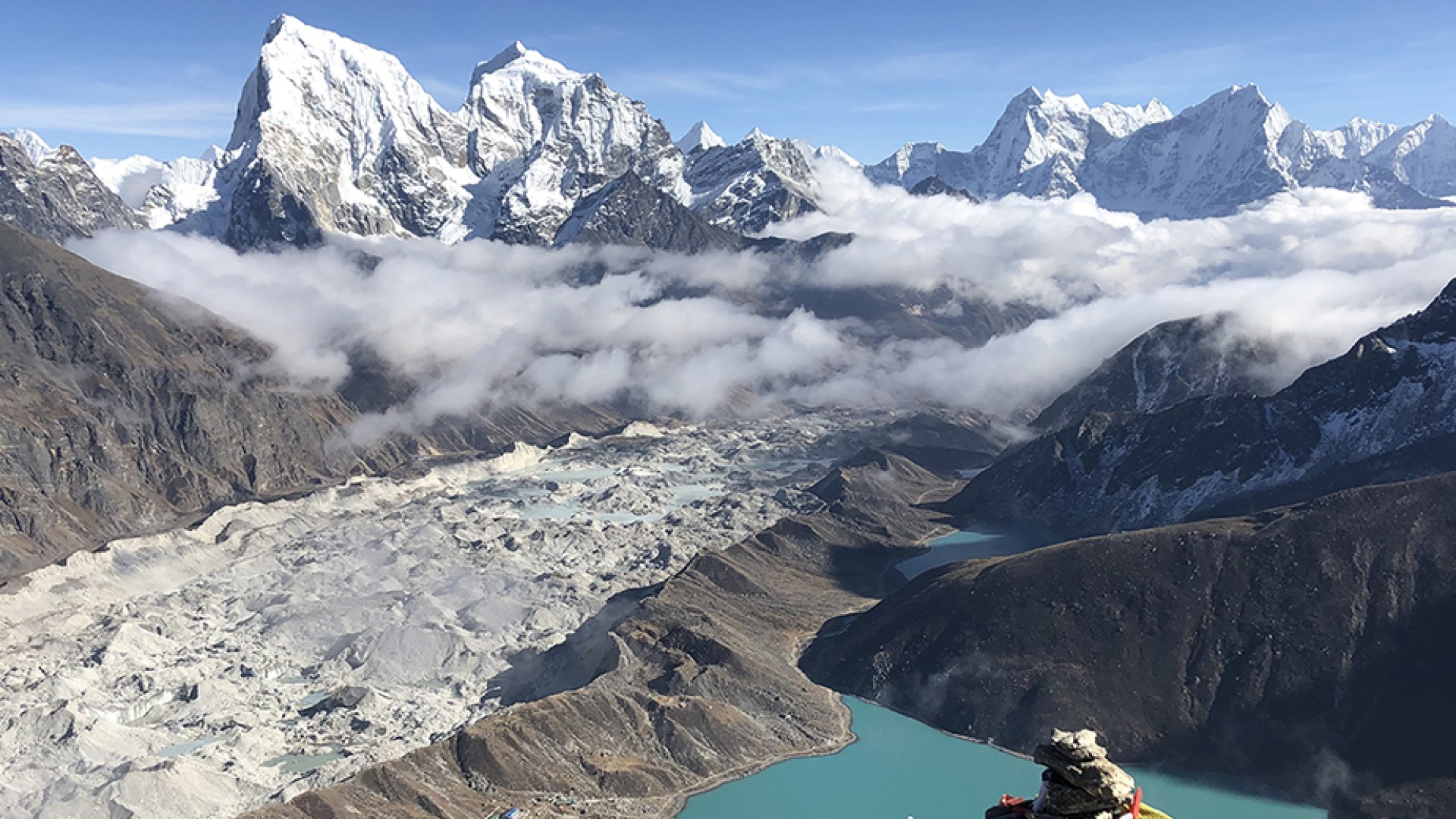
The adventure continues toward the stunning Gokyo Valley, crossing the famous Cho La Pass (5,420 m). This challenging pass connects the Everest Base Camp trail with the peaceful Gokyo region and involves glacier crossings, rocky terrain, and high-altitude walking. The reward is the magnificent beauty of the Gokyo Lakes, a series of turquoise glacial lakes surrounded by snow-capped Himalayan peaks.

Another unforgettable section is crossing Renjo La Pass (5,360 m), which offers one of the best panoramic viewpoints in the Everest region. From the top of Renjo La, trekkers can admire breathtaking views of Everest, Cho Oyu, Makalu, Lhotse, and the beautiful Gokyo Valley. The descent through the remote Thame Valley provides an opportunity to experience traditional Sherpa villages and a quieter side of the Khumbu region.

Throughout the trek, trekkers pass through Sagarmatha National Park, a UNESCO World Heritage Site known for its unique Himalayan ecosystem, rare wildlife, glaciers, forests, and spectacular mountain scenery. The route provides an excellent combination of adventure, natural beauty, and cultural exploration.

The Everest Three Passes Trek is considered a challenging high-altitude trek due to its long walking days, steep ascents and descents, remote trails, and multiple passes above 5,000 meters. Proper acclimatization, good physical fitness, previous trekking experience, and suitable equipment are highly recommended.

The best seasons for the Everest Three Passes Trek are spring (March–May) and autumn (September–November) when the weather is stable, skies are clear, and mountain views are at their best. Winter trekking is possible for experienced adventurers, while monsoon season is generally less recommended due to weather conditions.

At Nepal New Generation Trek & Adventure Pvt. Ltd., we organize safe and professionally managed Everest Three Passes Trek packages with experienced local guides, carefully designed itineraries, reliable porters, comfortable teahouse accommodation, trekking permits, and personalized services. Our priority is to provide a safe, enjoyable, and unforgettable Himalayan experience.

Join Nepal New Generation Trek for the ultimate Everest adventure and discover the beauty of three legendary high passes, Everest Base Camp, Gokyo Lakes, Sherpa culture, and the magnificent Himalayas of Nepal.

Region
Nepal
Duration
20 Days
Level
hard
Max Altitude
5,535.m
Daily Activity
5 to 6 hours
Season
Sept to Nov and Mar to May
Starting From
$ 2225
The Three Passes trek Everest is the ultimate Everest experience this cost more then 4 people
Brief Introduction

The Everest Three Passes Trek is the ultimate high-altitude adventure in Nepal’s Everest region, designed for trekkers seeking a challenging and unforgettable Himalayan experience. This spectacular journey takes you beyond the classic Everest Base Camp route, combining remote mountain valleys, ancient Sherpa villages, beautiful glacial lakes, and three legendary high passes: Kongma La Pass (5,535 m), Cho La Pass (5,420 m), and Renjo La Pass (5,360 m).

The trek offers an incredible combination of adventure, culture, and natural beauty as you explore the heart of the Khumbu region. Starting with a scenic flight from Kathmandu to Lukla, the trail passes through famous Sherpa settlements including Namche Bazaar, Tengboche, Dingboche, and Thame, where you can experience traditional Himalayan lifestyles, Buddhist monasteries, prayer flags, and warm Sherpa hospitality.

One of the major highlights of the Everest Three Passes Trek is reaching Everest Base Camp (5,364 m) and hiking to Kala Patthar (5,545 m) for breathtaking sunrise views of Mount Everest, Lhotse, Nuptse, Pumori, Ama Dablam, and the surrounding Himalayan peaks. The trek also explores the beautiful Gokyo Valley, home to the stunning turquoise Gokyo Lakes and the famous Gokyo Ri (5,357 m) viewpoint.

Crossing the three high passes requires physical fitness, proper acclimatization, and a strong sense of adventure. The route includes steep climbs, rocky trails, glacier crossings, and remote Himalayan landscapes, making it one of the most rewarding trekking challenges in Nepal.

The Everest Three Passes Trek is best suited for experienced trekkers who want to experience the true wilderness and grandeur of the Himalayas. The ideal trekking seasons are spring (March–May) and autumn (September–November) when the weather is stable and mountain views are clear.

Nepal New Generation Trek & Adventure Pvt. Ltd. provides professionally organized Everest Three Passes Trek packages with experienced licensed guides, carefully planned itineraries, trekking permits, comfortable teahouse accommodations, and safety-focused support. We are committed to creating a memorable and secure Himalayan adventure through the breathtaking landscapes of the Everest region.

Three Passes Trek Everest – Highlight Description | Nepal New Generation Trek

The Everest Three Passes Trek is one of the most spectacular and adventurous trekking experiences in Nepal, offering a perfect combination of high mountain adventure, breathtaking landscapes, Sherpa culture, and world-famous Himalayan views. This challenging journey takes you across three incredible high-altitude passes while exploring the most beautiful destinations of the Everest region.

Major Highlights of Everest Three Passes Trek

Crossing Three Legendary High Passes

Experience the thrill of crossing the three famous passes of the Everest region:

  • Kongma La Pass (5,535 m / 18,159 ft) – The highest and most remote pass of the trek, offering stunning views of glaciers and Himalayan peaks.
  • Cho La Pass (5,420 m / 17,782 ft) – A challenging glacier pass connecting the Everest Base Camp route with the Gokyo Valley.
  • Renjo La Pass (5,360 m / 17,585 ft) – A scenic pass providing one of the best panoramic views of Everest and surrounding mountains.

Everest Base Camp Adventure

Reach the legendary Everest Base Camp (5,364 m / 17,598 ft) and experience the incredible atmosphere at the foot of the world’s highest mountain, Mount Everest. Explore the Khumbu Glacier and enjoy the dramatic Himalayan surroundings.

Sunrise View from Kala Patthar

Hike to Kala Patthar (5,545 m / 18,192 ft), the most famous viewpoint in the Everest region. Enjoy breathtaking sunrise views over Mount Everest, Lhotse, Nuptse, Pumori, Ama Dablam, and the Khumbu Himalayan range.

Explore Beautiful Gokyo Valley and Lakes

Discover the peaceful and scenic Gokyo Valley, famous for its turquoise glacial lakes, traditional villages, and spectacular mountain scenery. The hike to Gokyo Ri (5,357 m / 17,575 ft) offers one of the best panoramic viewpoints in the Himalayas.

Spectacular Himalayan Mountain Views

Enjoy unforgettable views of some of the world’s highest peaks, including:

  • Mount Everest (8,848.86 m)
  • Lhotse (8,516 m)
  • Cho Oyu (8,188 m)
  • Makalu (8,485 m)
  • Nuptse (7,861 m)
  • Ama Dablam (6,812 m)
  • Pumori (7,161 m)

Authentic Sherpa Culture and Heritage

Experience the unique traditions and lifestyle of the Sherpa people while visiting mountain villages, Buddhist monasteries, prayer wheels, mani walls, and colorful prayer flags throughout the Khumbu region.

Scenic Mountain Flight to Lukla

Begin and end your adventure with a thrilling scenic flight between Kathmandu and Lukla, offering incredible aerial views of Nepal’s hills, valleys, and Himalayan peaks.

Sagarmatha National Park Exploration

Trek through Sagarmatha National Park, a UNESCO World Heritage Site, where you can experience diverse landscapes, alpine forests, glaciers, and the natural beauty of the Everest region.

Remote Himalayan Adventure

Unlike the standard Everest Base Camp route, the Three Passes Trek takes you through less-traveled trails, remote valleys, and untouched mountain landscapes, offering a true wilderness experience.

Professional Trekking Support

Nepal New Generation Trek & Adventure Pvt. Ltd. provides experienced licensed guides, well-planned acclimatization schedules, reliable porter support, trekking permits, and safety-focused services to make your Everest Three Passes Trek a memorable and successful Himalayan adventure.

Itinerary

Seeking for a real adventure? Our travel itinerary is based on years of trekking expertise, ensuring that you have a fun and safe vacation. However, like with all such risky excursions, there may be instances where we must change the schedule, possibly without much notice. While we make every attempt to stick to the timetable, we humbly ask for your patience and flexibility if unforeseen circumstances like weather or unforeseen natural events come into play. You may be sure that our knowledgeable guides will adjust as needed to make your tour as enjoyable as possible.

Schedule for each day
Days: 1: Arrive in Kathmandu (1,400 m)  
Welcome to Nepal! Upon your arrival at Tribhuvan International Airport in Kathmandu (1,400 m), a representative from Nepal New Generation Trek & Adventure Pvt. Ltd. will warmly welcome you and assist with your transfer to the hotel. After completing airport formalities, you will enjoy a comfortable drive through the vibrant streets of Kathmandu, the cultural and historical capital of Nepal. Once you arrive at the hotel, you can rest and relax after your international journey. In the evening, our trekking team will provide a detailed pre-trek briefing about the upcoming Everest Three Passes Trek, including the itinerary, altitude challenges, safety guidelines, required equipment, and preparation tips. You will also have the opportunity to meet your trekking guide and clarify any questions before beginning your Himalayan adventure. Kathmandu offers a fascinating introduction to Nepal’s rich culture, with ancient temples, historic monuments, traditional architecture, and a unique blend of modern and traditional lifestyles. Accommodation: Hotel in Kathmandu Altitude: Kathmandu (1,400 m / 4,593 ft) Meals: Welcome dinner included Highlights: Warm welcome at Kathmandu International Airport Private transfer to your hotel Introduction to Nepalese culture and hospitality Pre-trek briefing with your trekking guide Preparation for the Everest Three Passes adventure
Days: 2: Guided Sightseeing in the Kathmandu Valley & Trek Preparation | Everest Three Passes Trek  
After breakfast, you will enjoy a guided sightseeing tour around the beautiful Kathmandu Valley, a UNESCO World Heritage Site known for its ancient temples, historic monuments, and rich cultural heritage. This day also provides an opportunity to complete final preparations for your upcoming Everest Three Passes Trek. During the sightseeing tour, you will visit some of Kathmandu’s most important cultural landmarks, including: Swayambhunath Stupa (Monkey Temple): An ancient Buddhist site located on a hilltop, offering panoramic views of Kathmandu Valley and showcasing Nepal’s religious harmony. Boudhanath Stupa: One of the largest Buddhist stupas in the world and an important center of Tibetan Buddhism, surrounded by monasteries, prayer flags, and traditional shops. Pashupatinath Temple: Nepal’s most sacred Hindu temple complex located on the banks of the Bagmati River. Kathmandu Durbar Square: A historic royal palace area featuring ancient temples, courtyards, and traditional Newari architecture. After exploring the cultural treasures of Kathmandu, you will return to the hotel for final trekking preparation. Our Nepal New Generation Trek team will check your trekking equipment, review the itinerary, and provide important information about altitude safety, weather conditions, and the challenges of crossing the three high passes. This preparation day ensures you are fully ready for the incredible Himalayan journey ahead, including Kongma La Pass (5,535 m), Cho La Pass (5,420 m), Renjo La Pass (5,360 m), Everest Base Camp, Kala Patthar, and Gokyo Valley. Accommodation: Hotel in Kathmandu Altitude: Kathmandu (1,400 m / 4,593 ft) Meals: Breakfast included Highlights: Guided UNESCO World Heritage Site sightseeing Explore Nepal’s ancient culture and traditions Visit important Buddhist and Hindu heritage sites Trek preparation and equipment check Detailed briefing for the Everest Three Passes Trek
Days: 3: Fly to Lukla (2,860 m) and Trek to Phakding (2,652 m)  
After an early breakfast, we take a scenic mountain flight from Kathmandu/Manthali to Lukla (2,860 m), one of the most exciting and dramatic flights in the world. The short flight offers breathtaking aerial views of green hills, deep valleys, rivers, and the magnificent Himalayan range. Upon arrival at Lukla, the gateway to the Everest region, we meet our trekking crew and begin our first day of walking. The trail gradually descends through beautiful Sherpa villages, pine and rhododendron forests, and alongside the rushing Dudh Koshi River. The trek to Phakding (2,652 m) is relatively short and serves as a gentle introduction to the Everest Three Passes Trek. Along the way, you will experience the first glimpses of Sherpa culture, traditional houses, Buddhist prayer wheels, mani walls, and colorful prayer flags. After reaching Phakding, you can relax at the teahouse and enjoy the peaceful Himalayan surroundings. This overnight stop helps your body begin adjusting to the increasing altitude before heading toward Namche Bazaar and the higher mountain trails. Walking Distance: Approximately 8 km Walking Duration: 3–4 hours Accommodation: Teahouse/Lodge in Phakding Altitude: Phakding (2,652 m / 8,700 ft) Meals: Breakfast, Lunch, and Dinner included Highlights: Thrilling scenic flight to Lukla First steps into the Everest region Beautiful views of Himalayan landscapes Walk through Sherpa villages and forests Experience local mountain culture and hospitality Gentle acclimatization before reaching higher elevations
Days: 4: Phakding to Namche Bazaar (3,440 m)  
After breakfast, your trek continues through the beautiful Dudh Koshi Valley toward the famous Sherpa town of Namche Bazaar (3,440 m / 11,283 ft), the cultural and trading hub of the Everest region. Today’s trail offers a wonderful introduction to Himalayan landscapes, traditional villages, and the unique lifestyle of the Sherpa people. The trek begins with a gentle walk through pine forests and charming villages such as Toktok, Benkar, Monjo, and Jorsale. Along the way, you will cross several impressive suspension bridges decorated with colorful prayer flags and follow the rushing waters of the Dudh Koshi River. After passing through the entrance gate of Sagarmatha National Park, a UNESCO World Heritage Site, the trail gradually becomes steeper as you approach Namche Bazaar. The final section includes a challenging uphill climb through the forest. If the weather is clear, you may get your first magnificent views of Mount Everest, Lhotse, Nuptse, and Thamserku. Upon reaching Namche Bazaar, you will be welcomed by the spectacular amphitheater-shaped mountain town surrounded by Himalayan peaks. Namche Bazaar is the largest settlement in the Khumbu region and an important acclimatization stop for trekkers. You can explore local shops, bakeries, cafés, and traditional Sherpa markets while enjoying the vibrant mountain atmosphere. Accommodation: Teahouse/Lodge in Namche Bazaar Altitude: 3,440 m / 11,283 ft Walking Distance: Approximately 10–12 km Walking Duration: Around 6 hours Meals: Breakfast, Lunch, and Dinner included Highlights: Dudh Koshi Valley, Sagarmatha National Park, suspension bridges, Sherpa villages, first Everest views
Days: 5: Acclimatization Day – Hike to Everest View Hotel  
Today is an important acclimatization day in Namche Bazaar to help your body adjust to the increasing altitude before continuing toward the higher regions of the Everest area. Instead of staying idle, we take a short but rewarding hike to the famous Everest View Hotel (3,880 m), one of the best viewpoints in the Khumbu region. After breakfast, we begin the gradual uphill walk through beautiful Sherpa landscapes, passing traditional villages, Buddhist monasteries, colorful prayer flags, and scenic mountain trails. The hike provides excellent opportunities to experience local culture while enjoying breathtaking views of the surrounding Himalayan peaks. From the Everest View Hotel, you can admire spectacular panoramic views of some of the world’s highest mountains, including Mount Everest, Lhotse, Nuptse, Ama Dablam, Thamserku, and Kongde Ri. This viewpoint is considered one of the finest places to enjoy the beauty of Everest without reaching extreme altitude. After spending time enjoying the magnificent scenery and taking photographs, we return to Namche Bazaar for overnight accommodation. The afternoon can be spent exploring the vibrant mountain town, visiting local markets, cafés, or the Sherpa Culture Museum. Accommodation: Teahouse/Lodge in Namche Bazaar Altitude: Namche Bazaar (3,440 m / 11,283 ft) Hike Destination: Everest View Hotel (3,880 m) Walking Distance: Approximately 3–4 km Walking Duration: Around 3–4 hours Meals: Breakfast, Lunch, and Dinner included Highlights: Acclimatization hike for safe high-altitude trekking Panoramic views of Mount Everest and surrounding Himalayan peaks Visit to Everest View Hotel Sherpa culture, villages, and mountain landscapes
Days: 6: Namche Bazaar (3,440 m) to Thame (3,800 m)  
To perfect our After breakfast in Namche Bazaar, we begin our trek toward the beautiful and less-crowded Thame Valley, one of the most culturally rich and peaceful areas of the Everest region. Leaving the busy trading hub of Namche behind, the trail follows a quieter route through traditional Sherpa villages, ancient monasteries, and stunning Himalayan landscapes. The trail gradually climbs along the hillside above the Bhote Koshi River, offering magnificent views of the surrounding peaks, including Kongde Ri, Thamserku, Kusum Kanguru, and other Himalayan mountains. Compared to the main Everest Base Camp route, this section provides a more remote and authentic trekking experience. As we approach Thame (3,800 m), we enter a beautiful valley known for its strong Sherpa heritage and traditional lifestyle. Thame is one of the oldest villages in the Khumbu region and is famous for the historic Thame Monastery, located on a hill above the village. The monastery offers peaceful surroundings and excellent views of the valley. This day also helps with acclimatization before crossing the challenging high passes ahead, including Renjo La Pass (5,360 m), Cho La Pass (5,420 m), and Kongma La Pass (5,535 m). Walking Distance: Approximately 9–10 km Walking Duration: 5–6 hours Accommodation: Teahouse/Lodge in Thame Altitude: Thame (3,800 m / 12,467 ft) Meals: Breakfast, Lunch, and Dinner included Highlights: Trek through the peaceful Thame Valley Experience authentic Sherpa culture and traditions Visit the ancient Thame Monastery Enjoy spectacular views of Himalayan peaks Less crowded and more remote trekking experience Gradual acclimatization before high-altitude passesacclimatization, we will climb today Sumdur, a lookout point with stunning panoramic views. We dive into the fabled Nangpa La Valley, where we are close to the border with Tibet. Once at the top there is a phenomenal view of Pasang Lamu Peak, Cho Oyu (8201m) and many 7000 mountain giants. After absorbing these incredible impressions, we return to our lodge in Thame. # Breakfast Lunch Dinner
Days: 7: Thame (3,800 m) to Lungden (4,400 m)  
After breakfast, we leave the beautiful Thame Valley and continue our trek toward Lungden, a remote Himalayan settlement located near the base of Renjo La Pass (5,360 m). This section takes us deeper into the less-traveled northern part of the Khumbu region, offering a peaceful and authentic mountain experience. The trail gradually climbs through the rugged landscape of the Bhote Koshi Valley, passing through small Sherpa settlements, yak grazing areas, and high-altitude terrain. Along the way, you will witness traditional mountain lifestyles, ancient stone houses, Buddhist prayer flags, and impressive views of surrounding peaks. As we gain altitude, the vegetation becomes thinner and the landscape transforms into a dramatic alpine environment with rocky hills, glaciers, and snow-covered mountains. The route provides excellent views of peaks such as Kongde Ri, Cho Oyu, and other Himalayan ranges. Upon reaching Lungden (4,400 m), we settle into a local teahouse and prepare for the challenging crossing of Renjo La Pass the following day. Spending the night at this altitude also helps with acclimatization before entering the higher sections of the Everest Three Passes Trek. Walking Distance: Approximately 8–9 km Walking Duration: 5–6 hours Accommodation: Teahouse/Lodge in Lungden Altitude: Lungden (4,400 m / 14,436 ft) Meals: Breakfast, Lunch, and Dinner included Highlights: Trek through the remote and peaceful Bhote Koshi Valley Experience authentic Sherpa mountain life Scenic views of high Himalayan peaks Explore less-crowded trails of the Everest region Gradual preparation for crossing Renjo La Pass (5,360 m) Beautiful high-altitude landscapes and yak grazing areas
Days: 8: Lungden (4,400 m) via Renjo La Pass (5,360 m) to Gokyo (4,790 m)  
Today is one of the most exciting and challenging days of the Everest Three Passes Trek as we cross the spectacular Renjo La Pass (5,360 m / 17,585 ft), one of the three legendary high passes of the Everest region. After an early breakfast, we begin our ascent from Lungden toward Renjo La Pass. The trail gradually climbs through rocky terrain and high-altitude landscapes, offering breathtaking views of the surrounding Himalayan peaks. As we approach the pass, the trail becomes steeper, requiring a steady pace and careful walking. Upon reaching the top of Renjo La Pass (5,360 m), you will be rewarded with one of the most magnificent viewpoints in the Everest region. The panoramic scenery includes spectacular views of Mount Everest, Lhotse, Cho Oyu, Makalu, Nuptse, Ama Dablam, and the beautiful Gokyo Valley below. The pass also provides a stunning view of the turquoise Gokyo Lakes surrounded by snow-covered mountains. After enjoying the incredible views from Renjo La, we descend carefully toward the beautiful Gokyo Valley. The trail passes through a dramatic landscape of glaciers, rocky slopes, and alpine lakes before reaching Gokyo (4,790 m), a peaceful Sherpa settlement located beside the famous third Gokyo Lake. In the evening, you can relax at the teahouse and enjoy the breathtaking Himalayan surroundings. Gokyo is one of the highlights of the trek and offers a perfect place to rest before exploring Gokyo Ri (5,357 m) and the magnificent valley. Walking Distance: Approximately 10–12 km Walking Duration: 7–8 hours Accommodation: Teahouse/Lodge in Gokyo Altitude: Gokyo (4,790 m / 15,715 ft) Meals: Breakfast, Lunch, and Dinner included Highlights: Cross the famous Renjo La Pass (5,360 m) One of the best panoramic viewpoints in the Everest region Stunning views of Everest, Lhotse, Cho Oyu, and Makalu Spectacular views of Gokyo Lakes and surrounding glaciers Trek through remote and untouched Himalayan landscapes Experience the peaceful beauty of Gokyo Valley
Days: 9: Hike to Gokyo Ri (5,357 m) and Trek to Dragnag (4,690 m)  
Today is another memorable day of the Everest Three Passes Trek as we begin with an early morning hike to Gokyo Ri (5,357 m / 17,575 ft), one of the most spectacular viewpoints in the Everest region. The climb is challenging but highly rewarding, offering breathtaking panoramic views of the Himalayan giants. We start early before sunrise and ascend gradually from Gokyo Village toward the summit of Gokyo Ri. From the top, you will enjoy an unforgettable panorama of some of the world’s highest mountains, including Mount Everest, Lhotse, Cho Oyu, Makalu, Nuptse, and Ama Dablam, along with the beautiful turquoise Gokyo Lakes and surrounding glaciers. After spending time at the summit enjoying the magnificent mountain scenery and taking photographs, we descend back to Gokyo for breakfast. We then continue our trek toward Dragnag (Thangnak) (4,690 m), a small mountain settlement located on the western side of the Ngozumpa Glacier. The trail follows the edge of the massive Ngozumpa Glacier, the longest glacier in Nepal, offering a unique high-altitude landscape of ice, rocks, and dramatic mountain views. The route is relatively short, allowing time to rest and prepare for the challenging Cho La Pass (5,420 m) crossing the following day. Upon reaching Dragnag, we settle into a teahouse and enjoy the peaceful surroundings of this remote Himalayan village. Walking Distance: Approximately 7–8 km Walking Duration: 4–5 hours (including Gokyo Ri hike) Accommodation: Teahouse/Lodge in Dragnag Altitude: Dragnag (4,690 m / 15,387 ft) Meals: Breakfast, Lunch, and Dinner included Highlights: Sunrise hike to Gokyo Ri (5,357 m) Panoramic views of Everest, Lhotse, Cho Oyu, and Makalu Stunning views of Gokyo Lakes and Ngozumpa Glacier Trek beside Nepal’s longest glacier Preparation day before crossing the challenging Cho La Pass Experience remote Himalayan landscapes and peaceful mountain villages
Days: 10: Dragnag (4,690 m) via Cho La Pass (5,420 m) to Dzongla (4,840 m)  
Today is one of the most challenging and adventurous days of the Everest Three Passes Trek as we cross the spectacular Cho La Pass (5,420 m / 17,782 ft), the second of the three legendary high passes in the Everest region. This section connects the beautiful Gokyo Valley with the Everest Base Camp route and offers some of the most dramatic Himalayan scenery. We begin early in the morning from Dragnag (Thangnak) and ascend gradually through rocky terrain toward the Cho La Pass. The trail becomes steeper as we approach the pass, and depending on the season, we may encounter snow, ice, and glacier sections. Careful walking and a steady pace are essential due to the high altitude and challenging conditions. Upon reaching the top of Cho La Pass (5,420 m), you will be rewarded with breathtaking views of the surrounding Himalayan peaks, including Mount Everest, Lhotse, Nuptse, Ama Dablam, and other magnificent mountains. The pass offers a thrilling high-altitude experience surrounded by glaciers, snow-covered landscapes, and dramatic mountain scenery. After enjoying the views from the pass, we carefully descend toward Dzongla (4,840 m). The descent involves rocky trails and steep sections before reaching the beautiful Dzongla valley, where the landscape opens up with impressive views of Cholatse, Taboche, and the surrounding Himalayan peaks. Dzongla is a peaceful mountain settlement located below the towering peaks and serves as an important stop before continuing toward Lobuche, Everest Base Camp, and Kala Patthar. Walking Distance: Approximately 11–12 km Walking Duration: 7–8 hours Accommodation: Teahouse/Lodge in Dzongla Altitude: Dzongla (4,840 m / 15,879 ft) Meals: Breakfast, Lunch, and Dinner included Highlights: Cross the famous Cho La Pass (5,420 m) One of the most adventurous sections of the Everest Three Passes Trek Stunning glacier and high-altitude mountain landscapes Incredible views of Everest, Lhotse, Nuptse, and Ama Dablam Experience the remote beauty of the Khumbu region Trek through challenging yet rewarding Himalayan terrain
Days: 11: Dzongla (4,840 m) to Lobuche (4,940 m)  
After breakfast, we leave the beautiful mountain settlement of Dzongla and continue our trek toward Lobuche (4,940 m / 16,207 ft), an important stop on the way to Everest Base Camp. Today’s trek is relatively shorter and allows you to enjoy the spectacular Himalayan scenery while gradually preparing for the upcoming high-altitude journey. The trail begins with a gentle descent and then follows a gradual uphill route through the rugged Khumbu landscape. Along the way, you will enjoy magnificent views of towering peaks, including Cholatse, Taboche, Lobuche East, Nuptse, and Pumori. The trail passes through rocky terrain, glacial valleys, and remote mountain landscapes that showcase the raw beauty of the Everest region. As we approach Lobuche, the landscape becomes more barren and dramatic, reflecting the high-altitude environment of the Khumbu Glacier region. Lobuche is a small settlement located near the famous Everest Base Camp trail and serves as a resting point before the challenging trek to Gorak Shep, Everest Base Camp, and Kala Patthar. After reaching Lobuche, you can relax at the teahouse and enjoy the peaceful surroundings while preparing for the next day’s exciting adventure to Everest Base Camp (5,364 m). Walking Distance: Approximately 7–8 km Walking Duration: 3–4 hours Accommodation: Teahouse/Lodge in Lobuche Altitude: Lobuche (4,940 m / 16,207 ft) Meals: Breakfast, Lunch, and Dinner included Highlights: Scenic trek through the high-altitude Khumbu valley Beautiful views of Cholatse, Taboche, Nuptse, and Pumori Experience the dramatic landscape near the Khumbu Glacier Short and relaxing trekking day for altitude preparation Overnight stay near the Everest Base Camp route
Days: 12: Lobuche to Gorak Shep (5,170 m) – Trek to Everest Base Camp (5,364 m) – Return to Gorak Shep  
Today is one of the most memorable and rewarding days of the Gokyo Cho La Pass and Everest Base Camp Trek as we finally reach the legendary Everest Base Camp (5,364 m / 17,598 ft). The journey takes you deep into the heart of the Khumbu region, surrounded by some of the world's highest mountains and dramatic Himalayan landscapes. After breakfast, we leave Lobuche (4,910 m) and follow the rocky trail toward Gorak Shep (5,170 m / 16,962 ft). The route passes through rugged glacial terrain with spectacular views of Pumori, Lingtren, Khumbutse, Nuptse, and surrounding peaks. After reaching Gorak Shep, we take a short rest and have lunch before continuing our adventure toward Everest Base Camp. The trail from Gorak Shep to Everest Base Camp follows the edge of the Khumbu Glacier, crossing rocky moraines and offering incredible views of glaciers and towering Himalayan peaks. Upon reaching Everest Base Camp (5,364 m), you will stand at the foot of the world’s highest mountain, Mount Everest (8,848.86 m). The atmosphere of Everest Base Camp, surrounded by glaciers, colorful expedition tents, and massive Himalayan walls, creates an unforgettable experience. After spending time exploring the base camp and capturing memorable photographs, we return to Gorak Shep for an overnight stay. The evening offers a peaceful atmosphere as you prepare for the early morning hike to Kala Patthar, the best viewpoint for sunrise views of Mount Everest. Accommodation: Teahouse/Lodge in Gorak Shep Altitude: Gorak Shep (5,170 m / 16,962 ft) Maximum Altitude: Everest Base Camp (5,364 m / 17,598 ft) Walking Duration: Approximately 6–8 hours Meals: Breakfast, Lunch, and Dinner included Highlights: Reach the legendary Everest Base Camp (5,364 m) Trek beside the Khumbu Glacier and glacial moraines Spectacular views of Everest, Nuptse, Pumori, and surrounding peaks Experience the unforgettable atmosphere of the world’s highest mountain base camp Overnight stay at Gorak Shep, the highest settlement on the trek
Days: 13: Gorak Shep (5,170 m) to Kala Patthar (5,545 m) – Trek to Lobuche (4,940 m)  
Today is one of the most memorable highlights of the Everest Three Passes Trek as we begin with an early morning hike to Kala Patthar (5,545 m / 18,192 ft), the highest viewpoint of the trek and one of the best places in the world to witness the magnificent beauty of Mount Everest. We start before sunrise and ascend gradually from Gorak Shep (5,170 m) toward Kala Patthar. Although the climb is physically demanding due to the high altitude, the effort is rewarded with breathtaking panoramic views of the Himalayan range. From the summit, you can enjoy spectacular sunrise views over Mount Everest, Lhotse, Nuptse, Pumori, Ama Dablam, and the Khumbu Glacier. After spending time at the top capturing unforgettable photographs and enjoying the incredible mountain scenery, we descend back to Gorak Shep for breakfast. We then continue our trek back toward Lobuche (4,940 m), following the familiar trail through the beautiful Khumbu Glacier valley. The descent offers a different perspective of the landscape, with impressive views of glaciers, rocky valleys, and snow-covered peaks. Reaching Lobuche, we rest and relax at the teahouse after completing one of the most rewarding sections of the Everest Three Passes Trek. Walking Distance: Approximately 8–9 km Walking Duration: 5–6 hours Accommodation: Teahouse/Lodge in Lobuche Altitude: Lobuche (4,940 m / 16,207 ft) Meals: Breakfast, Lunch, and Dinner included Highlights: Early morning hike to Kala Patthar (5,545 m) Best panoramic viewpoint for Mount Everest Spectacular sunrise over Everest, Lhotse, Nuptse, and Pumori Stunning views of Khumbu Glacier and Himalayan landscapes Descend through the beautiful Everest region trail Rest and recovery at Lobuche before continuing the adventure
Days: 14: Lobuche (4,940 m) via Kongma La Pass (5,535 m) to Chhukhung (4,730 m)  
Today is one of the most adventurous and challenging days of the Everest Three Passes Trek as we leave the popular Everest Base Camp route and cross the highest of the three legendary passes — Kongma La Pass (5,535 m / 18,159 ft). This remote route takes us away from the usual trekking paths and into a more isolated and spectacular Himalayan wilderness. We begin early from Lobuche and follow a less-traveled trail across rugged high-altitude terrain. The route gradually ascends through rocky landscapes, glacial moraines, and remote mountain valleys. The climb toward Kongma La Pass requires a steady pace and careful walking due to the altitude and challenging terrain. Upon reaching the top of Kongma La Pass (5,535 m), you will be rewarded with incredible panoramic views of the surrounding Himalayan peaks, including Mount Everest, Lhotse, Nuptse, Makalu, Baruntse, Ama Dablam, and the beautiful Imja Valley. The peaceful atmosphere and untouched surroundings make this one of the most memorable sections of the entire trek. After enjoying the breathtaking views from the pass, we make a careful descent toward Chhukhung (4,730 m). The trail passes through rocky slopes, glacial landscapes, and the remote beauty of the Khumbu region before reaching the small mountain settlement of Chhukhung, located beneath the impressive peaks of Lhotse, Nuptse, and Island Peak. Chhukhung is a beautiful high-altitude village and an important gateway for climbers heading toward Island Peak (6,189 m). After this challenging day, we rest at the teahouse and enjoy the peaceful Himalayan surroundings. Walking Distance: Approximately 10–12 km Walking Duration: 7–9 hours Accommodation: Teahouse/Lodge in Chhukhung Altitude: Chhukhung (4,730 m / 15,518 ft) Meals: Breakfast, Lunch, and Dinner included Highlights: Cross the highest pass of the trek: Kongma La Pass (5,535 m) Explore remote trails away from the usual trekking routes Experience untouched Himalayan wilderness and dramatic landscapes Spectacular views of Everest, Lhotse, Nuptse, Makalu, and Ama Dablam Trek through glaciers, rocky valleys, and high mountain terrain Discover the beautiful Chhukhung Valley beneath Island Peak
Days: 15: Chhukhung (4,730 m ) to Tengboche (3,840 m)  
After completing the challenging Kongma La Pass, we begin our descent from the beautiful Chhukhung Valley toward the famous Sherpa village of Tengboche (3,840 m). Today’s trek offers a more relaxed walking experience as we gradually lose altitude and return to the main Everest trekking route. The trail begins with a descent through the stunning Imja Khola Valley, surrounded by magnificent Himalayan peaks. Along the way, we enjoy incredible views of Ama Dablam, Lhotse, Nuptse, Island Peak, and Thamserku. The landscape changes as we descend, with alpine vegetation, forests, and traditional mountain villages becoming more visible. We pass through Dingboche, Pangboche, and traditional Sherpa settlements, experiencing the unique culture and lifestyle of the Khumbu region. The trail continues through beautiful rhododendron forests and scenic mountain landscapes before reaching Tengboche, one of the most important cultural and spiritual centers in the Everest region. Upon arrival at Tengboche, we visit the famous Tengboche Monastery, the largest Buddhist monastery in the Khumbu region. Surrounded by spectacular mountain views, the monastery provides a peaceful atmosphere and an excellent place to experience Sherpa Buddhist traditions. After a rewarding day of trekking, we relax at the teahouse and enjoy the breathtaking sunset views over the Himalayan peaks. Walking Distance: Approximately 14–15 km Walking Duration: 6–7 hours Accommodation: Teahouse/Lodge in Tengboche Altitude: Tengboche (3,840 m / 12,598 ft) Meals: Breakfast, Lunch, and Dinner included Highlights: Descend from Chhukhung Valley through beautiful Himalayan landscapes Enjoy views of Ama Dablam, Lhotse, Nuptse, and Island Peak Trek through Dingboche and Pangboche villages Experience authentic Sherpa culture and traditions Visit the famous Tengboche Monastery Enjoy peaceful surroundings and spectacular mountain scenery
Days: 16: Tengboche (3,840 m) to Namche Bazaar (3,446 m)  
After breakfast, we leave the peaceful mountain village of Tengboche and continue our descent toward Namche Bazaar, the vibrant trading hub of the Everest region. Today’s trek follows a beautiful trail through forests, traditional Sherpa villages, and scenic Himalayan landscapes. From Tengboche, the trail descends through lush rhododendron and pine forests toward Phunki Tenga, where we cross suspension bridges over the Dudh Koshi River. We then gradually ascend toward the villages of Kyangjuma and Sanasa, enjoying spectacular views of the surrounding Himalayan peaks. Along the way, you will have excellent opportunities to admire Mount Everest, Lhotse, Ama Dablam, Thamserku, and Kongde Ri. The trail passes through traditional Sherpa settlements, where you can observe local lifestyles, prayer wheels, mani walls, and colorful Buddhist traditions. Continuing along the familiar Everest trail, we reach Namche Bazaar (3,446 m), the famous mountain town surrounded by impressive Himalayan scenery. Namche is the largest settlement in the Khumbu region and is known for its local markets, bakeries, cafes, shops, and Sherpa culture. After arriving at Namche, you can relax and enjoy the comfortable facilities of the town while reflecting on the incredible journey through the Everest Three Passes Trek. Walking Distance: Approximately 10–12 km Walking Duration: 5–6 hours Accommodation: Teahouse/Lodge in Namche Bazaar Altitude: Namche Bazaar (3,446 m / 11,306 ft) Meals: Breakfast, Lunch, and Dinner included Highlights: Scenic descent from Tengboche through beautiful forests Visit and experience traditional Sherpa villages Stunning views of Everest, Lhotse, Ama Dablam, and Thamserku Cross suspension bridges over the Dudh Koshi River Return to the lively mountain town of Namche Bazaar Enjoy the comfort and atmosphere of the Everest region’s main hub
Days: 17: Namche Bazaar (3,446 m) to Lukla (2,828 m)  
After breakfast, we begin our final trekking day of the Everest Three Passes Trek as we descend from Namche Bazaar back to Lukla, the gateway to the Everest region. Today’s trail follows the familiar route along the beautiful Dudh Koshi River, passing through charming Sherpa villages, forests, and scenic mountain landscapes. We leave Namche Bazaar and descend steeply toward the river valley, crossing several impressive suspension bridges decorated with colorful prayer flags. The trail continues through villages such as Monjo, Phakding, and Ghat, where we can enjoy the peaceful surroundings and reflect on the incredible Himalayan journey we have completed. The route passes through Sagarmatha National Park, offering final views of the spectacular landscapes, rivers, waterfalls, and Himalayan peaks. Along the way, you will experience the warm hospitality of the Sherpa people and the traditional mountain lifestyle that makes the Everest region so unique. After several hours of trekking, we arrive at Lukla (2,828 m), where we celebrate the successful completion of the challenging Everest Three Passes Trek. In the evening, you can relax and enjoy a farewell moment with the trekking team before the flight back to Kathmandu. Walking Distance: Approximately 18–20 km Walking Duration: 7–8 hours Accommodation: Teahouse/Lodge in Lukla Altitude: Lukla (2,828 m / 9,278 ft) Meals: Breakfast, Lunch, and Dinner included Highlights: Final trekking day through the beautiful Dudh Koshi Valley Cross scenic suspension bridges and mountain trails Pass through Sherpa villages including Phakding and Monjo Enjoy the final views of the Everest region landscapes Celebrate the successful completion of the Three Passes adventure Overnight stay in Lukla before the flight to Kathmandu
Days: 18: Flight from Lukla (2,828 m ) to Kathmandu (1,400 m  
After breakfast, we take a scenic mountain flight from Lukla (2,828 m) back to Kathmandu (1,400 m), marking the end of our incredible Everest Three Passes Trek. The flight offers one last opportunity to enjoy breathtaking aerial views of the Himalayan landscapes, green hills, deep valleys, and mountain villages that we explored during our adventure. The short flight takes approximately 35 minutes, depending on weather conditions. Upon arrival at Tribhuvan International Airport in Kathmandu, our team will transfer you to your hotel. The rest of the day is free for relaxation, shopping, or exploring the vibrant streets of Kathmandu. You can visit local markets, purchase souvenirs, or simply enjoy a well-deserved rest after completing one of Nepal’s most challenging and rewarding trekking adventures. In the evening, we organize a farewell dinner to celebrate the successful completion of the Everest Three Passes Trek and share unforgettable memories with your trekking team. Flight Duration: Approximately 35 minutes Accommodation: Hotel in Kathmandu Altitude: Kathmandu (1,400 m / 4,593 ft) Meals: Breakfast and Farewell Dinner included Highlights: Scenic mountain flight from Lukla to Kathmandu Final views of the beautiful Himalayan landscape Comfortable transfer to your hotel Free time for shopping and cultural exploration Farewell celebration after completing the Everest Three Passes Trek End of an unforgettable Himalayan adventure with Nepal New Generation Trek
Days: 19: Free Day in Kathmandu (1,400 m)  
After completing the challenging and unforgettable Everest Three Passes Trek, today is a relaxing free day in Kathmandu. This day provides a perfect opportunity to rest, recover, and enjoy the cultural beauty of Nepal’s capital city at your own pace. You can spend your day exploring the vibrant streets of Kathmandu, visiting local markets, shopping for traditional handicrafts, trekking souvenirs, and Nepalese artwork. You may also choose to revisit some of the city’s famous cultural sites, including ancient temples, monasteries, and historic squares. For those interested in culture and history, optional visits can be arranged to places such as Boudhanath Stupa, Pashupatinath Temple, Swayambhunath Stupa (Monkey Temple), and Kathmandu Durbar Square. You can also enjoy traditional Nepalese cuisine at local restaurants or relax at your hotel after the long Himalayan journey. This free day also serves as a backup day in case of any delays caused by mountain weather or flight conditions during the Lukla–Kathmandu flight. Our Nepal New Generation Trek team remains available to assist you with shopping recommendations, additional sightseeing arrangements, airport transfers, or any other services you may need. Accommodation: Hotel in Kathmandu Altitude: Kathmandu (1,400 m / 4,593 ft) Meals: Breakfast included Highlights: Relax and recover after the Everest Three Passes Trek Explore Kathmandu’s cultural heritage and local markets Optional sightseeing at UNESCO World Heritage Sites Shop for souvenirs and traditional Nepalese handicrafts Enjoy Nepalese food and city life Backup day for possible Lukla flight delays
Days: 20: Final Departure from Kathmandu (1,400 m)  
Today marks the end of your incredible Everest Three Passes Trek adventure in Nepal. After breakfast, depending on your flight schedule, our representative from Nepal New Generation Trek & Adventure Pvt. Ltd. will transfer you to Tribhuvan International Airport for your international departure. As you leave Nepal, you will carry unforgettable memories of crossing the legendary Kongma La Pass (5,535 m), Cho La Pass (5,420 m), and Renjo La Pass (5,360 m), reaching Everest Base Camp, hiking to Kala Patthar, exploring the beautiful Gokyo Valley, and experiencing the unique culture and hospitality of the Sherpa people. Our team will ensure a smooth and comfortable airport transfer and wish you a safe journey home. We hope to welcome you again for another Himalayan adventure with Nepal New Generation Trek & Adventure Pvt. Ltd. Accommodation: Not included (Departure day) Altitude: Kathmandu (1,400 m / 4,593 ft) Meals: Breakfast included Highlights: Airport transfer for international departure Farewell from the Nepal New Generation Trek team Memories of an unforgettable Everest Three Passes adventure Safe journey back home with lifetime Himalayan experiences
Reservation & Date
Tuesday
01 Sep 2026
Monday
30 Nov 2026
$175 Off
$2225
$2400
12 Seats
Available
Services Included

Airport & Transportation

  • Airport pickup and drop-off service in Kathmandu by private vehicle
  • All ground transportation as mentioned in the itinerary
  • Scenic domestic flight between Kathmandu/Manthali and Lukla (both ways, including airport transfers)

Accommodation

  • 3 nights hotel accommodation in Kathmandu with breakfast
  • Teahouse/lodge accommodation during the Everest Three Passes Trek
  • Accommodation according to the itinerary on a twin-sharing basis

Meals During the Trek

  • Breakfast, lunch, and dinner during the trekking period
  • Tea or coffee with meals during the trek
  • Welcome and farewell dinner in Kathmandu

Trekking Permits & Documentation

  • Sagarmatha National Park entry permit
  • Khumbu Pasang Lhamu Rural Municipality entry permit
  • All required trekking permits and official documentation

Trekking Crew & Services

  • Experienced, licensed, English-speaking trekking guide
  • Experienced porter service (normally one porter for every two trekkers)
  • Guide and porter salary, insurance, food, accommodation, and necessary equipment
  • Trekking staff equipment and local support

Trekking Equipment & Support

  • Trekking map of the Everest region
  • Nepal New Generation Trek duffle bag (if required)
  • Trekking route briefing and preparation assistance
  • First aid kit carried by the guide
  • Assistance for emergency coordination if required

Additional Services

  • Government taxes and company service charges
  • Assistance with hotel arrangements and free-day activities in Kathmandu
  • Farewell support before international departure
Services Excluded

International Travel

  • International airfare to and from Nepal
  • Nepal entry visa fee
  • International travel insurance

Personal Expenses

  • Personal trekking equipment and clothing
  • Extra meals and accommodation outside the itinerary
  • Alcoholic drinks, bottled beverages, and extra snacks
  • Laundry, internet/Wi-Fi charges, and battery charging fees
  • Personal shopping and souvenirs

Health & Emergency Costs

  • Medical expenses during the trek
  • Emergency helicopter rescue and evacuation costs
  • Personal medications and medical treatment
  • Travel insurance claims and related expenses

Additional Transportation

  • Extra transportation not included in the itinerary
  • Extra hotel nights due to early arrival, late departure, or unexpected delays
  • Costs caused by flight cancellations or weather delays

Tips & Optional Services

  • Tips for trekking guide, porter, and support staff (recommended)
  • Optional sightseeing tours and activities
  • Any services not mentioned under the “Included” section

Nepal New Generation Trek & Adventure Pvt. Ltd. provides a professionally organized Everest Three Passes Trek with experienced local guides, reliable trekking support, carefully planned itineraries, and safety-focused services to ensure an unforgettable Himalayan adventure.

Frequently Asked Questions

The answers to your questions regarding the Nepal New Generation Trek, what this trip entails, and what is needed can be found in the following frequently asked questions. If your question isn't addressed there, don't hesitate to contact us.

The Everest Three Passes Trek is considered one of the most challenging trekking adventures in Nepal and is suitable for trekkers with good physical fitness, strong endurance, and previous high-altitude trekking experience. This trek is more demanding than the classic Everest Base Camp Trek because it involves crossing three high mountain passes above 5,000 meters and trekking through remote Himalayan terrain. The three major passes crossed during the trek are: Kongma La Pass – 5,535 m / 18,159 ft (the highest and most challenging pass) Cho La Pass – 5,420 m / 17,782 ft (requires careful glacier and rocky trail crossing) Renjo La Pass – 5,360 m / 17,585 ft (offers stunning panoramic mountain views) Main Challenges of the Everest Three Passes Trek 1. High Altitude Altitude is one of the biggest challenges of this trek. The route reaches: Kala Patthar – 5,545 m Everest Base Camp – 5,364 m Three high passes above 5,300 m Trekkers may experience symptoms of altitude sickness, including headache, tiredness, shortness of breath, or loss of appetite. Proper acclimatization, slow walking pace, hydration, and following your guide’s advice are essential. 2. Long Walking Days Most trekking days involve walking around 6–8 hours per day, with some challenging sections requiring more effort. The trails include steep climbs, rocky paths, glacier areas, and long ascents and descents. 3. Challenging High Pass Crossings Crossing the three passes requires physical strength and mental determination. Weather conditions can change quickly, and snow or ice may make the trails more difficult, especially during winter and early spring. 4. Remote Mountain Conditions The trek takes you through remote areas where facilities are basic compared to city life. Accommodation is mainly in teahouses, and services such as electricity, internet, and food choices become more limited at higher elevations. Required Fitness Level Trekkers should prepare with: Regular hiking and long-distance walking Cardio training such as running, cycling, or swimming Strength training for legs and core muscles Practice walking with a backpack Previous experience with multi-day mountain trekking is highly recommended Who Can Do the Everest Three Passes Trek? The trek is suitable for: ✅ Experienced trekkers ✅ Physically fit adventure seekers ✅ People comfortable with high altitude and challenging terrain ✅ Trekkers who enjoy remote and less-crowded mountain routes It may not be suitable for: First-time trekkers without proper preparation People with serious altitude-related health concerns Travelers looking for an easy or relaxed trekking experience Difficulty Rating Difficulty Level: Challenging to Strenuous (5/5) With proper preparation, acclimatization, suitable equipment, and support from an experienced trekking team, the Everest Three Passes Trek is achievable and extremely rewarding. Nepal New Generation Trek & Adventure Pvt. Ltd. provides experienced licensed guides, carefully planned itineraries, safety-focused trekking support, and professional services to help you successfully complete this incredible Himalayan adventure.

The best time to do the Everest Three Passes Trek is during spring (March to May) and autumn (September to November). These seasons offer the most stable weather conditions, clear mountain views, comfortable temperatures, and safer trail conditions for crossing the three high passes: Kongma La Pass (5,535 m), Cho La Pass (5,420 m), and Renjo La Pass (5,360 m). 1. Spring Season (March–May) – Best for Nature and Mountain Views Spring is one of the most popular seasons for the Everest Three Passes Trek. The weather is generally stable, and the trails become colorful with blooming rhododendron flowers. Advantages: Clear views of Mount Everest and surrounding Himalayan peaks Pleasant daytime temperatures Beautiful blooming flowers and forests Longer daylight hours for trekking Good conditions for high-pass crossings Temperature: Lower elevations: around 10°C to 20°C during the day Higher elevations: colder, especially at night and near the passes Spring is an excellent choice for trekkers who want beautiful scenery and comfortable trekking conditions. 2. Autumn Season (September–November) – Best Overall Season Autumn is considered the best season for the Everest Three Passes Trek because of its excellent weather and outstanding mountain visibility. Advantages: Stable and dry weather Crystal-clear views of Himalayan peaks Comfortable trekking temperatures Safer conditions for Kongma La, Cho La, and Renjo La crossings Fresh mountain landscapes after the monsoon season Temperature: Daytime temperatures are comfortable for trekking Nights become colder at higher elevations Autumn is ideal for photographers, adventure trekkers, and those seeking the best Himalayan experience. 3. Winter Season (December–February) – For Experienced Adventurers Winter trekking is possible but more challenging. The Everest region becomes quiet and peaceful, with snow-covered landscapes and fewer trekkers. Challenges: Extremely cold temperatures, especially above 4,000 m Heavy snowfall may affect high passes Cho La and Kongma La crossings can become difficult or unsafe Some teahouses may have limited services Winter is recommended only for experienced trekkers with proper equipment and preparation. 4. Monsoon Season (June–August) – Less Recommended The monsoon season is generally not recommended for the Everest Three Passes Trek because of unstable weather conditions. Challenges: Rain and cloudy weather at lower elevations Limited mountain visibility Slippery trails Possible flight delays to and from Lukla However, the Everest region receives less rainfall than many other trekking areas of Nepal, so some experienced trekkers may still choose this period. Best Months for Everest Three Passes Trek: ✅ October–November: Best overall conditions and clearest mountain views ✅ March–April: Excellent weather with beautiful spring landscapes ✅ May: Good visibility and warmer temperatures ⚠️ December–February: Possible but challenging due to cold and snow ⚠️ June–August: Less recommended due to monsoon conditions Recommended Season by Nepal New Generation Trek For the safest and most enjoyable experience, Nepal New Generation Trek & Adventure Pvt. Ltd. recommends trekking during spring and autumn. These seasons provide the best combination of clear mountain views, stable weather, and favorable conditions for crossing the spectacular Everest Three Passes route. With proper preparation, experienced guides, and suitable equipment, the Everest Three Passes Trek offers an unforgettable journey through the heart of the Himalayas in every season.

The Everest Three Passes Trek takes place in the Khumbu region of Nepal, inside Sagarmatha National Park, and requires official trekking permits before starting the journey. The route includes famous destinations such as Namche Bazaar, Gokyo Valley, Everest Base Camp, Kala Patthar, Kongma La Pass, Cho La Pass, and Renjo La Pass. For the Everest Three Passes Trek, you need the following permits: 1. Sagarmatha National Park Entry Permit The entire Everest region trekking route lies within Sagarmatha National Park, a UNESCO World Heritage Site. Every trekker must obtain this permit to enter and trek inside the protected area. Permit Cost: NPR 3,000 per person (for foreign trekkers) Where to Obtain: Nepal Tourism Board office in Kathmandu Sagarmatha National Park entry checkpoint at Monjo Purpose: Conservation of the national park Protection of Himalayan biodiversity Management of trekking activities 2. Khumbu Pasang Lhamu Rural Municipality Entry Permit This local permit is required for trekking in the Khumbu region, including areas such as Lukla, Namche Bazaar, Tengboche, Dingboche, Gokyo, and Everest Base Camp. Permit Cost: NPR 3,000 per person Where to Obtain: Lukla Monjo checkpoint Purpose: Supporting local infrastructure Maintaining trekking trails Managing tourism services in the Khumbu region 3. TIMS Card (Trekkers’ Information Management System) A TIMS card is generally not required for the Everest (Khumbu) region. The Khumbu Pasang Lhamu Rural Municipality permit is used instead for trekking registration in this area. Additional Permits No separate permit is required for: Everest Base Camp Gokyo Lakes Gokyo Ri Kongma La Pass Cho La Pass Renjo La Pass These areas are covered by the Sagarmatha National Park and Khumbu Pasang Lhamu Rural Municipality permits. Documents Required for Permits You will need: Valid passport Passport copy Passport-size photographs (recommended) Permit fees in Nepalese currency Permit Arrangement with Nepal New Generation Trek When you book the Everest Three Passes Trek with Nepal New Generation Trek & Adventure Pvt. Ltd., our team arranges all necessary trekking permits and official documentation before and during the trek. This allows you to focus on enjoying the incredible Himalayan journey safely and comfortably. Required Permits Summary: Permit Required Cost Sagarmatha National Park Entry Permit Yes NPR 3,000 Khumbu Pasang Lhamu Rural Municipality Permit Yes NPR 3,000 TIMS Card No Not required With the correct permits, experienced guides, and proper preparation, the Everest Three Passes Trek becomes a safe and unforgettable adventure through the heart of the Himalayas.

The highest point reached during the Everest Three Passes Trek is Kala Patthar at 5,545 m (18,192 ft). Kala Patthar is the highest viewpoint of the trek and is famous for offering one of the most spectacular panoramic views of Mount Everest and the surrounding Himalayan peaks. Although Kala Patthar is the highest elevation reached, the trek also crosses three challenging high mountain passes above 5,000 meters: 1. Kongma La Pass – 5,535 m (18,159 ft) Kongma La is the highest of the three legendary passes of the Everest region. This remote and less-traveled pass offers incredible views of glaciers, valleys, and Himalayan peaks. Crossing Kongma La is one of the most challenging sections of the trek. 2. Cho La Pass – 5,420 m (17,782 ft) Cho La Pass connects the Gokyo Valley with the Everest Base Camp route. The crossing involves rocky terrain and glacier sections, making it an adventurous and memorable part of the journey. 3. Renjo La Pass – 5,360 m (17,585 ft) Renjo La Pass is known for its breathtaking panoramic views of Mount Everest, Lhotse, Cho Oyu, Makalu, and the beautiful Gokyo Lakes. Other Major High Points: Everest Base Camp: 5,364 m (17,598 ft) Gokyo Ri: 5,357 m (17,575 ft) Gorak Shep: 5,170 m (16,962 ft) Chhukhung: 4,730 m (15,518 ft) Altitude Challenges Reaching elevations above 5,000 meters requires proper acclimatization, gradual ascent, and careful trekking. The risk of Acute Mountain Sickness (AMS) increases at higher altitudes, so maintaining a slow pace, staying hydrated, eating properly, and following your guide’s advice are essential. The Everest Three Passes Trek is designed with acclimatization days and gradual altitude gain to help trekkers safely adapt to the high Himalayan environment. Nepal New Generation Trek & Adventure Pvt. Ltd. provides experienced licensed guides, well-planned itineraries, and safety-focused support to help trekkers successfully complete this challenging and rewarding Himalayan adventure.

Yes, altitude sickness is an important concern on the Everest Three Passes Trek because the route reaches extreme elevations above 5,000 meters. The trek includes several high-altitude sections, including Kongma La Pass (5,535 m), Cho La Pass (5,420 m), Renjo La Pass (5,360 m), Everest Base Camp (5,364 m), and Kala Patthar (5,545 m). As altitude increases, the air becomes thinner and the amount of available oxygen decreases. Even physically fit trekkers can experience symptoms of Acute Mountain Sickness (AMS), so proper acclimatization and careful trekking practices are essential. Common Symptoms of Altitude Sickness Mild symptoms may include: Headache Tiredness and weakness Shortness of breath Loss of appetite Difficulty sleeping Dizziness or nausea More serious symptoms can include: Severe headache that does not improve Confusion or difficulty walking Shortness of breath while resting Persistent vomiting Extreme fatigue If serious symptoms appear, descending to a lower altitude is the safest solution. How Nepal New Generation Trek Helps Prevent Altitude Problems Our Everest Three Passes Trek itinerary is carefully designed with gradual altitude gain and proper acclimatization to help your body adjust safely. Safety measures include: Proper acclimatization days in the itinerary Slow and steady walking pace Experienced licensed trekking guides monitoring your health Regular hydration and rest breaks Advice on recognizing early symptoms of altitude sickness Flexible decisions based on weather and health conditions Tips to Reduce the Risk of Altitude Sickness Trekkers should: Walk slowly and avoid rushing at high altitude Drink plenty of water throughout the day Eat nutritious meals even if appetite decreases Avoid excessive alcohol and smoking Get enough rest and sleep Inform your guide immediately if you feel unwell Is Previous High-Altitude Experience Required? Previous trekking experience is highly recommended for the Everest Three Passes Trek because of its demanding altitude, long walking days, and challenging pass crossings. However, with good physical preparation, proper acclimatization, and professional support, experienced adventure trekkers can successfully complete this journey. Altitude Safety with Nepal New Generation Trek Nepal New Generation Trek & Adventure Pvt. Ltd. prioritizes your safety throughout the Everest Three Passes Trek. Our experienced guides are trained to handle high-altitude situations and ensure that every trekker follows a safe pace while enjoying the incredible beauty of the Everest region. With proper preparation and responsible trekking, the Everest Three Passes Trek can be a safe, rewarding, and unforgettable Himalayan adventure.

The Everest Three Passes Trek usually takes around 18 to 22 days to complete, including arrival in Kathmandu, preparation, trekking days, and departure. The exact duration depends on the chosen itinerary, acclimatization schedule, weather conditions, and the trekking pace. A typical Everest Three Passes Trek itinerary with Nepal New Generation Trek is approximately 20 days, including: Arrival and preparation in Kathmandu Kathmandu sightseeing and trek briefing Scenic flight to Lukla and trekking through the Everest region Crossing the three high passes: Renjo La Pass (5,360 m) Cho La Pass (5,420 m) Kongma La Pass (5,535 m) Visit to Gokyo Valley and Gokyo Ri (5,357 m) Trek to Everest Base Camp (5,364 m) Sunrise hike to Kala Patthar (5,545 m) Return trek to Lukla Flight back to Kathmandu Rest day and international departure Trekking Duration The actual trekking portion generally takes about 17–18 days, depending on the route and acclimatization requirements. Most days involve: Walking time: 5–8 hours per day Average distance: 8–15 km per day Challenging pass-crossing days: 7–10 hours of trekking Why Does the Trek Take Longer Than Everest Base Camp Trek? The Everest Three Passes Trek requires additional time because it includes: Three challenging high-altitude pass crossings More gradual acclimatization Remote valleys and less-traveled trails Extra time for safety due to changing Himalayan weather conditions Compared to the classic Everest Base Camp Trek, the Three Passes route is longer, more demanding, and offers a more complete exploration of the Khumbu region. Recommended Duration For a safe and enjoyable experience, Nepal New Generation Trek recommends a carefully planned itinerary with enough acclimatization days rather than rushing the trek. Proper rest and gradual altitude gain greatly improve the chance of successfully completing the high passes. With experienced guides, good preparation, and a suitable pace, the Everest Three Passes Trek becomes one of the most rewarding and unforgettable adventures in the Himalayas.

Previous trekking experience is highly recommended for the Everest Three Passes Trek, as it is considered one of the most challenging trekking routes in Nepal. The trek involves long walking days, steep ascents and descents, remote mountain trails, and crossing three high-altitude passes above 5,000 meters. The three major passes include: Kongma La Pass (5,535 m / 18,159 ft) – The highest and most demanding pass of the trek Cho La Pass (5,420 m / 17,782 ft) – A challenging glacier and rocky pass crossing Renjo La Pass (5,360 m / 17,585 ft) – A scenic but physically demanding high pass Who Can Do the Everest Three Passes Trek? The trek is suitable for trekkers who: Have experience with multi-day hiking or trekking Are physically fit and mentally prepared for a challenging adventure Can walk 6–8 hours per day on uneven mountain terrain Are comfortable trekking at high altitude Have good endurance and a positive attitude Previous experience with high-altitude trekking is a great advantage, but it is not an absolute requirement for every trekker. A physically strong person with proper training, preparation, and a carefully planned itinerary can also complete the trek successfully. Recommended Preparation Before the Trek To prepare for the Everest Three Passes Trek, you should: Train with regular hiking, walking, or cardio exercises Build leg strength through uphill walking, stairs, or strength training Practice carrying a backpack during training hikes Improve stamina for long trekking days Prepare mentally for changing weather and basic mountain conditions Is It Suitable for First-Time Trekkers? The Everest Three Passes Trek is not recommended for complete beginners without prior hiking experience. First-time trekkers should consider building experience through easier Himalayan treks before attempting this challenging route. Good preparation and professional guidance can make a significant difference, especially when dealing with: High altitude Cold temperatures Long trekking days Remote mountain environments Trekking Support with Nepal New Generation Trek Nepal New Generation Trek & Adventure Pvt. Ltd. provides experienced licensed guides, carefully designed acclimatization schedules, safety support, and professional trekking services to help trekkers successfully complete the Everest Three Passes Trek. With the right preparation, fitness level, and experienced support team, this incredible Himalayan adventure is achievable and offers one of the most rewarding trekking experiences in Nepal.

Technically, it is possible to complete the Everest Three Passes Trek without a guide or porter, but it is not recommended, especially because this is one of the most challenging and remote trekking routes in Nepal. The trek involves crossing three high-altitude passes above 5,000 meters, remote trails, changing weather conditions, and physically demanding terrain. The three major pass crossings are: Kongma La Pass (5,535 m / 18,159 ft) Cho La Pass (5,420 m / 17,782 ft) Renjo La Pass (5,360 m / 17,585 ft) Why Hiring a Guide Is Recommended An experienced guide provides important support throughout the trek, including: Navigation and Route Safety Some sections of the Three Passes route are remote and less clearly marked. A local guide knows: The safest trails and alternative routes Current trail conditions Weather-related risks High-pass crossing requirements Altitude Management Altitude sickness is a major concern at elevations above 5,000 meters. A professional guide can: Monitor your health and symptoms Suggest proper pacing and rest Recognize early signs of altitude problems Make safety decisions when necessary Emergency Support In the Himalayas, unexpected situations can occur, such as: Severe weather Injury or illness Flight delays Difficult trail conditions A guide can coordinate emergency assistance and communicate with local support networks. Do I Need a Porter? Hiring a porter is not mandatory, but it is highly recommended for a more comfortable and enjoyable trek. A porter helps by carrying your heavy backpack, allowing you to: Walk more comfortably at high altitude Save energy for challenging pass crossings Reduce physical stress during long trekking days Many trekkers choose to hire a porter-guide or a separate porter to support the local mountain community while making the journey easier. Trekking Independently: Challenges to Consider If you trek without a guide or porter, you must manage: Route navigation Accommodation bookings Permit arrangements Weather decisions Altitude safety Emergency situations Carrying all personal equipment These challenges become more serious during high-pass crossings and unpredictable Himalayan weather. Recommended Option For the Everest Three Passes Trek, Nepal New Generation Trek recommends trekking with an experienced licensed guide and, if needed, a porter. This provides greater safety, local knowledge, cultural insight, and a more comfortable experience. With professional support, you can focus on enjoying the incredible landscapes, Sherpa culture, Everest Base Camp, Gokyo Valley, Kala Patthar, and the legendary Three Passes while having expert assistance throughout the journey.

During the Everest Three Passes Trek, accommodation is mainly provided in local teahouses and mountain lodges. These are simple but comfortable family-run establishments located along the trekking route, offering trekkers a warm place to rest, eat, and experience authentic Sherpa hospitality. Because the trek passes through remote and high-altitude areas, accommodation becomes more basic as you gain elevation. However, the teahouses provide essential facilities needed for a safe and enjoyable Himalayan journey. 1. Teahouse / Lodge Accommodation Most nights during the trek are spent in traditional teahouses, which provide: Private or twin-sharing rooms (depending on availability) Basic beds with mattresses, blankets, and pillows Shared bathroom facilities in many locations Dining rooms with heating from a stove (usually in the evening) A friendly family-run atmosphere Popular stops such as Namche Bazaar, Tengboche, Dingboche, Lobuche, Gokyo, and Lukla have more developed lodges with better facilities. 2. Accommodation at Higher Altitudes At higher elevations, especially around: Gorak Shep (5,170 m) Dzongla (4,840 m) Chhukhung (4,730 m) Lungden (4,400 m) the accommodation is more basic due to the remote environment. Facilities may include: Simple rooms with shared toilets Limited heating facilities Basic bedding Fewer food and comfort options compared to lower villages Trekkers should be prepared for cold nights and simple mountain conditions. 3. Private Room vs. Shared Room Twin-sharing rooms are the standard arrangement during the trek. Private rooms may be available in some lower-altitude villages, especially in Namche Bazaar and Lukla, but availability depends on the season and lodge capacity. During peak trekking seasons, sharing rooms may be necessary due to high demand. 4. Electricity and Charging Facilities Most teahouses provide electricity for charging electronic devices. However: Charging usually requires an additional fee Availability may be limited at higher altitudes Power can sometimes be affected by weather conditions Bringing a power bank or solar charger is recommended. 5. Wi-Fi and Internet Many teahouses offer Wi-Fi services, especially in larger villages. However: Connection speed may be slow Service may not be available in remote sections Mobile network coverage varies depending on location The trek is an excellent opportunity to disconnect and enjoy the natural beauty of the Himalayas. Accommodation Support with Nepal New Generation Trek Nepal New Generation Trek & Adventure Pvt. Ltd. arranges safe and comfortable teahouse accommodation throughout the Everest Three Passes Trek. Our experienced team selects reliable lodges, plans suitable overnight stops, and ensures that trekkers have the best possible experience while exploring the high Himalayas. The combination of local teahouse hospitality, stunning mountain surroundings, and Sherpa culture makes the accommodation experience an unforgettable part of the Everest Three Passes adventure.

During the Everest Three Passes Trek, meals are provided at local teahouses and lodges along the trekking route. The food is simple, nutritious, and designed to provide enough energy for long trekking days, high-altitude walking, and challenging mountain pass crossings. Although food choices become more limited at higher elevations, trekkers can enjoy a variety of Nepalese, Tibetan, Indian, and international dishes throughout the journey. Breakfast Options Breakfast is usually served before starting the day’s trek and includes energy-rich meals such as: Tibetan bread with honey or jam Pancakes Toast with butter, jam, or eggs Chapati and eggs Porridge or oatmeal Muesli with milk Boiled or fried eggs Noodles or pasta dishes Tea, coffee, hot chocolate, and other hot drinks A good breakfast helps provide energy for long trekking days, especially during high-pass crossings. Lunch Options Lunch is usually taken at a teahouse along the trail or after reaching the next village. Common options include: Dal Bhat (rice, lentils, vegetables, and curry) – the traditional Nepali trekking meal Fried rice Noodles Thukpa (Tibetan noodle soup) Momos (dumplings) Pasta Sandwiches Soups Potato dishes Dal Bhat is especially popular among trekkers because it provides carbohydrates, protein, and energy for high-altitude trekking. Dinner Options Dinner is served at the teahouse after reaching the overnight stop. Typical meals include: Dal Bhat with vegetables Sherpa stew Garlic soup (popular at high altitude) Noodles and pasta Rice and curry Pizza (available in some larger villages) Vegetable dishes Soup and bread Warm meals and hot drinks are especially important at higher elevations where temperatures become very cold. Vegetarian and Special Dietary Needs Vegetarian meals are widely available throughout the Everest region. Trekkers can request: Vegetarian food Vegan options (with advance notice) Gluten-free options (availability may vary) It is recommended to inform Nepal New Generation Trek about any dietary requirements before starting the trek. Drinking Water During the Trek Safe drinking water options include: Bottled water (available but not environmentally friendly) Filtered or boiled water from teahouses Water purification tablets or filters Trekkers are encouraged to carry a reusable water bottle to stay hydrated and reduce plastic waste. Food Tips for High Altitude To stay healthy during the Everest Three Passes Trek: Eat enough calories to maintain energy Drink plenty of fluids Include carbohydrates and protein in meals Avoid excessive alcohol at high altitude Try local foods such as Dal Bhat and Sherpa dishes Food Service with Nepal New Generation Trek Nepal New Generation Trek & Adventure Pvt. Ltd. ensures that trekkers receive healthy and sufficient meals throughout the Everest Three Passes Trek. Our experienced team helps select reliable teahouses and provides guidance on proper nutrition and hydration for a safe and enjoyable Himalayan adventure. Enjoying local mountain cuisine and sharing meals with Sherpa families is an important cultural experience that makes the Everest Three Passes Trek even more memorable.

During the Everest Three Passes Trek, charging electronic devices such as mobile phones, cameras, GPS devices, and power banks is possible at most teahouses along the route. However, as you reach higher and more remote areas, electricity availability can become limited, so proper preparation is recommended. Charging Facilities in Teahouses Most teahouses in popular villages such as Namche Bazaar, Tengboche, Dingboche, Lobuche, Gokyo, and Lukla provide charging facilities. You can usually charge: Mobile phones Camera batteries Power banks GPS devices Other small electronic equipment Charging is generally available in the dining area or designated charging stations. Charging Fees Electricity is not always included in the room cost, and teahouses usually charge an additional fee for charging devices. Approximate charging costs: Lower altitude areas: NPR 200–500 per device Higher altitude areas: NPR 500–1,000 per device Prices may vary depending on location, season, and availability of electricity. Electricity Availability at Higher Altitudes At higher elevations, especially around: Gorak Shep (5,170 m) Dzongla (4,840 m) Chhukhung (4,730 m) Lungden (4,400 m) electricity can be limited due to remote conditions and weather. Solar power and alternative energy sources are often used, but charging may be slower or temporarily unavailable. Recommended Items to Bring For a comfortable trek, we recommend carrying: Power bank (10,000–20,000 mAh or higher) Extra camera batteries Universal travel adapter Charging cables Solar charger (optional) A good power bank is especially useful during the high-pass sections where charging opportunities may be limited. Tips to Save Battery Life To extend your battery: Turn off mobile data when not needed Use airplane mode in remote areas Reduce screen brightness Carry a lightweight power bank Charge devices whenever electricity is available Mobile Network and Electronics Mobile phone coverage is available in parts of the Everest region, but the signal can be weak in remote valleys and high mountain areas. A fully charged phone is important for communication, navigation, and emergency situations. Charging Support with Nepal New Generation Trek Nepal New Generation Trek & Adventure Pvt. Ltd. recommends preparing your electronic equipment before starting the trek. Our experienced guides can advise you about charging options along the route and help you manage your devices during the journey. With proper preparation, you can safely capture unforgettable moments of the Everest Three Passes Trek, including Gokyo Lakes, Everest Base Camp, Kala Patthar, and the spectacular Himalayan landscapes.

Yes, Wi-Fi is available during most parts of the Everest Three Passes Trek, especially in larger villages and popular trekking areas. However, internet access becomes more limited and slower as you move into remote and higher-altitude sections of the route. The Everest Three Passes Trek passes through remote Himalayan areas, so trekkers should expect basic connectivity rather than fast and reliable internet like in cities. Wi-Fi Availability Along the Route Wi-Fi is commonly available in villages such as: Lukla Phakding Namche Bazaar Tengboche Dingboche Lobuche Gorak Shep Gokyo In these areas, most teahouses and lodges provide internet access through available local networks. Internet at Higher and Remote Areas In remote sections such as: Renjo La Pass (5,360 m) Cho La Pass (5,420 m) Kongma La Pass (5,535 m) Remote valleys around Lungden, Dzongla, and Chhukhung Wi-Fi may not be available due to the challenging mountain environment. Weather conditions, power supply, and location can affect internet connectivity. Wi-Fi Cost Wi-Fi in teahouses usually requires an additional payment. Approximate costs: Lower villages: NPR 200–500 per device Higher-altitude villages: NPR 500–1,000 per device Prices may vary depending on the lodge, season, and network availability. Mobile Network Coverage Mobile networks such as Ncell and Nepal Telecom provide coverage in parts of the Everest region. Signal strength varies depending on location and altitude. Mobile data can be useful as a backup, but coverage is not guaranteed throughout the entire Three Passes route. Recommended Preparation For better communication during the trek, we recommend: Carrying a power bank for charging devices Downloading offline maps before departure Informing family and friends about limited connectivity Keeping important documents and travel information offline Using Wi-Fi whenever available Stay Connected with Nepal New Generation Trek Nepal New Generation Trek & Adventure Pvt. Ltd. helps trekkers prepare for the realities of Himalayan communication. Our experienced guides provide advice about connectivity, charging facilities, and practical arrangements throughout the Everest Three Passes Trek. While Wi-Fi is available in many places, the true beauty of this adventure is experiencing the peaceful Himalayan wilderness, breathtaking landscapes, and unique Sherpa culture beyond everyday digital distractions.

Yes, you will have many opportunities to see Mount Everest (8,848.86 m / 29,031.7 ft) during the Everest Three Passes Trek. This route is one of the most spectacular trekking journeys in Nepal because it offers some of the best viewpoints of Mount Everest and the surrounding Himalayan peaks. Unlike the classic Everest Base Camp Trek, the Three Passes route takes you through remote valleys, high mountain passes, and panoramic viewpoints, providing incredible views from different angles throughout the journey. Best Places to See Mount Everest During the Trek 1. Renjo La Pass (5,360 m) The first major viewpoint of the trek is Renjo La Pass, where you can enjoy breathtaking panoramic views of: Mount Everest Lhotse Cho Oyu Makalu Gokyo Lakes Surrounding Himalayan ranges The view from Renjo La is considered one of the most beautiful perspectives of Everest. 2. Gokyo Ri (5,357 m) From the summit of Gokyo Ri, you can see a magnificent panorama of the Everest region, including: Mount Everest Lhotse Cho Oyu Makalu Ngozumpa Glacier The turquoise Gokyo Lakes The sunrise view from Gokyo Ri is one of the major highlights of the trek. 3. Everest Base Camp (5,364 m) The trek takes you directly to Everest Base Camp, located at the foot of Mount Everest. Standing at Base Camp is an unforgettable experience where you can feel the power and beauty of the world’s highest mountain. 4. Kala Patthar (5,545 m) Kala Patthar is the most famous viewpoint of the Everest region and offers the closest and clearest view of Mount Everest. From Kala Patthar, you can enjoy spectacular views of: Mount Everest Lhotse Nuptse Pumori Ama Dablam Khumbu Glacier Sunrise from Kala Patthar is considered one of the best Himalayan viewing experiences. Mountain Visibility Depends on Weather Although Mount Everest can be seen from many points along the route, visibility depends on: Weather conditions Cloud cover Season of trekking Time of day The best seasons for clear Everest views are generally: Spring (March–May) Autumn (September–November) Experience Everest with Nepal New Generation Trek The Everest Three Passes Trek offers more than just reaching Everest Base Camp. It combines spectacular mountain views, challenging high passes, beautiful Gokyo Valley, Sherpa culture, and unforgettable Himalayan landscapes. With experienced guides and a carefully planned itinerary, Nepal New Generation Trek & Adventure Pvt. Ltd. helps you experience the best viewpoints of Mount Everest safely and comfortably.

The Everest Three Passes Trek is a challenging high-altitude adventure reaching above 5,500 meters, so having the right trekking gear is essential for safety, comfort, and enjoyment. The trek includes cold temperatures, long walking days, rocky trails, glacier sections, and unpredictable Himalayan weather. A proper packing list should focus on warmth, protection, comfort, and lightweight equipment. 1. Clothing and Layering System A good layering system helps you adjust to changing temperatures. Base Layer Moisture-wicking thermal underwear (top and bottom) Lightweight trekking T-shirts Quick-drying underwear Mid Layer Fleece jacket or warm sweater Lightweight insulated jacket Outer Layer Waterproof and windproof jacket Waterproof trekking pants Windproof trousers Warm Clothing Down jacket (highly recommended) Thermal layers for cold nights Warm fleece or wool sweater 2. Head and Hand Protection Warm wool or fleece hat Sun hat or cap Neck warmer or buff Sunglasses with UV protection Warm gloves Waterproof outer gloves (recommended for high passes) 3. Footwear Good footwear is very important for the Three Passes route. Recommended: Waterproof trekking boots with good ankle support Comfortable trekking socks (3–5 pairs) Warm thermal socks for high altitude Camp shoes or sandals for evenings Gaiters (useful for snow and muddy sections) 4. Trekking Equipment Comfortable backpack (30–40 liters for personal items) Duffel bag (if using porter service) Trekking poles (highly recommended) Sleeping bag rated around -10°C to -20°C Headlamp with extra batteries Water bottle or hydration system Water purification tablets or filter 5. Personal Items Sunscreen (SPF 50+ recommended) Lip balm with sun protection Personal toiletries Quick-dry towel Hand sanitizer Wet wipes Personal medication Basic first aid supplies 6. Electronics Mobile phone Camera (optional) Power bank (10,000–20,000 mAh recommended) Extra batteries Universal travel adapter Charging cables 7. Important Documents Passport Trekking permits Travel insurance documents Passport-size photos Emergency contact information 8. Optional but Useful Items Sleeping bag liner Microspikes (useful during icy conditions) Binoculars Book or entertainment for evenings Snacks such as energy bars, chocolate, and nuts Gear Tips for the Everest Three Passes Trek Pack light but prepare for extreme weather Avoid cotton clothing because it dries slowly Break in trekking boots before the trek Carry enough warm clothing for nights above 4,000 meters Keep important items protected from rain and snow Equipment Support with Nepal New Generation Trek Nepal New Generation Trek & Adventure Pvt. Ltd. provides guidance on necessary trekking equipment before departure. Our experienced team helps you prepare properly for the challenging sections of the Everest Three Passes Trek, including Renjo La Pass, Cho La Pass, Kongma La Pass, Everest Base Camp, and Kala Patthar. With the right gear, preparation, and professional support, you can enjoy a safe and unforgettable Himalayan adventure.

Yes, travel insurance is absolutely necessary for the Everest Three Passes Trek. This is a challenging high-altitude adventure that reaches elevations above 5,500 meters, including Kongma La Pass (5,535 m), Cho La Pass (5,420 m), Renjo La Pass (5,360 m), Everest Base Camp (5,364 m), and Kala Patthar (5,545 m). A proper travel insurance policy provides financial protection and emergency support in case of unexpected situations during the trek. Why Do I Need Travel Insurance? 1. High-Altitude Emergency Coverage The Everest Three Passes Trek takes place in remote Himalayan areas where medical facilities are limited. Insurance should cover: High-altitude sickness treatment Emergency medical expenses Emergency helicopter evacuation Hospital treatment Rescue operations Helicopter evacuation from remote mountain areas can be very expensive, so having appropriate coverage is essential. 2. Protection Against Trekking Risks The trek involves: Long walking days Steep climbs and descents Rocky and icy trails High mountain passes Unpredictable weather conditions Travel insurance helps protect you from costs related to accidents, injuries, or unexpected emergencies. 3. Flight Delays and Cancellations Flights between Kathmandu/Manthali and Lukla can be affected by Himalayan weather. Insurance may provide coverage for: Flight delays Flight cancellations Missed connections Additional accommodation costs (Always check the exact terms and conditions of your policy.) What Should Your Insurance Cover? For the Everest Three Passes Trek, your insurance should include: ✅ High-altitude trekking coverage up to at least 6,000 meters ✅ Emergency helicopter rescue and evacuation ✅ Medical treatment and hospitalization ✅ Trekking-related accidents ✅ Trip cancellation or interruption coverage ✅ Lost baggage or personal belongings coverage When Should I Buy Travel Insurance? You should purchase travel insurance before arriving in Nepal, ideally immediately after confirming your trekking plans. Make sure your policy specifically mentions high-altitude trekking and covers the maximum altitude you will reach. Important Advice Not all travel insurance policies cover trekking above 5,000 meters. Before buying insurance, carefully check: Maximum altitude covered Emergency rescue conditions Exclusions related to adventure activities Travel Safely with Nepal New Generation Trek Nepal New Generation Trek & Adventure Pvt. Ltd. strongly recommends that every trekker has comprehensive travel insurance before starting the Everest Three Passes Trek. With proper insurance, experienced guides, suitable equipment, and good preparation, you can enjoy this incredible Himalayan adventure with greater confidence and peace of mind.

Yes, you can trek the Everest Three Passes Trek in winter (December to February), but it is considered a very challenging adventure and is recommended only for experienced trekkers who are well-prepared for extreme Himalayan conditions. Winter offers a completely different experience in the Everest region, with fewer trekkers, peaceful trails, crystal-clear mountain views, and stunning snow-covered landscapes. However, the cold temperatures, heavy snowfall, and possible closure of high passes make this season more demanding. Winter Conditions on the Everest Three Passes Trek During winter, the trek includes crossing three high-altitude passes: Kongma La Pass (5,535 m) Cho La Pass (5,420 m) Renjo La Pass (5,360 m) These passes can become difficult or even temporarily inaccessible due to: Heavy snowfall Ice-covered trails Strong winds Freezing temperatures Limited visibility Trekkers must be prepared for changing weather conditions and possible itinerary adjustments. Advantages of Winter Trekking Winter trekking in the Everest region offers: Fewer crowds on the trekking trails Peaceful and quiet mountain surroundings Excellent visibility of Himalayan peaks Beautiful snow-covered landscapes A more remote and adventurous experience Better opportunities for photography Challenges of Winter Trekking Winter conditions can be demanding because of: Very cold nights, especially above 4,000 meters Snow and ice on high passes Shorter daylight hours Limited teahouse facilities in some remote areas Increased risk of altitude-related problems Possible delays due to weather and Lukla flight conditions Temperatures at higher elevations can drop well below freezing, especially at night. Recommended Winter Trekking Preparation If you plan to trek during winter, you should bring: High-quality down jacket Warm thermal layers Waterproof trekking boots Warm gloves and socks Sleeping bag suitable for very cold temperatures Trekking poles Microspikes or traction equipment (if required) Extra food and emergency supplies Is Winter the Best Time for the Everest Three Passes Trek? For most trekkers, the best seasons remain: ✅ Autumn (September–November): Best weather and clearest mountain views ✅ Spring (March–May): Excellent weather with beautiful landscapes Winter is suitable for: Experienced high-altitude trekkers Adventure seekers Those who prefer solitude and challenging conditions Winter Trek Support with Nepal New Generation Trek Nepal New Generation Trek & Adventure Pvt. Ltd. can organize the Everest Three Passes Trek in winter with experienced local guides who understand Himalayan weather, trail conditions, and safety requirements. With proper preparation, flexible planning, and professional support, a winter Everest Three Passes Trek can be an unforgettable journey through the spectacular snow-covered Himalayas.

The Everest Three Passes Trek is one of Nepal’s most challenging and rewarding Himalayan adventures. Proper preparation is essential because the trek involves long walking days, high altitude, remote mountain conditions, and crossing three demanding passes above 5,000 meters: Kongma La Pass – 5,535 m Cho La Pass – 5,420 m Renjo La Pass – 5,360 m Good physical fitness, suitable equipment, mental preparation, and proper planning will greatly improve your trekking experience. 1. Build Your Physical Fitness Start preparing at least 2–3 months before the trek. The trek requires endurance because you will walk approximately 6–8 hours per day on steep and uneven mountain trails. Recommended training: Regular hiking and long-distance walking Stair climbing and uphill walking Cardio exercises such as running, cycling, or swimming Strength training for legs and core muscles Practice walking with a backpack Try to include longer weekend hikes to improve stamina and confidence. 2. Prepare for High Altitude Altitude is one of the biggest challenges of the Everest Three Passes Trek. The route reaches over 5,500 meters, where oxygen levels are much lower. To prepare: Train your endurance gradually Avoid rushing during the trek Follow proper acclimatization schedules Stay hydrated Eat enough nutritious food Listen to your body and inform your guide about any discomfort Previous high-altitude trekking experience is helpful but not always required if you are physically fit and properly prepared. 3. Choose the Right Trekking Season Selecting the right season helps make the trek safer and more enjoyable. Best seasons: Autumn (September–November): Clear skies, stable weather, and excellent mountain views Spring (March–May): Pleasant weather, blooming rhododendrons, and good trekking conditions Winter trekking is possible but requires extra preparation due to cold temperatures and possible snow on the high passes. 4. Prepare Proper Trekking Gear Essential equipment includes: Clothing Down jacket Thermal base layers Fleece jacket Waterproof jacket and pants Warm hat and gloves Trekking socks Footwear Waterproof trekking boots Comfortable trekking socks Camp shoes or sandals Gaiters (recommended for snow conditions) Equipment Trekking poles Sleeping bag suitable for cold temperatures Backpack and duffle bag Headlamp Water bottle Power bank 5. Prepare Mentally The Everest Three Passes Trek is physically demanding and requires patience. You should be prepared for: Long trekking days Cold mornings and nights Basic teahouse accommodation Changing weather conditions Slow progress at high altitude A positive attitude and determination are important parts of successfully completing the trek. 6. Arrange Travel Documents and Insurance Before arriving in Nepal, prepare: Valid passport Nepal visa Travel insurance Emergency contact details Copies of important documents Your insurance should cover: High-altitude trekking up to at least 6,000 meters Emergency helicopter rescue Medical treatment and evacuation 7. Train with Your Trekking Equipment Before departure: Test your trekking boots Practice walking with your backpack Check all clothing and equipment Make sure your sleeping bag and warm clothing are suitable Comfortable gear can make a big difference during the long Himalayan journey. Preparation Support with Nepal New Generation Trek Nepal New Generation Trek & Adventure Pvt. Ltd. provides detailed trekking information, equipment guidance, experienced licensed guides, and safety-focused support to help you prepare for the Everest Three Passes Trek. With proper training, the right equipment, and careful preparation, you can enjoy an unforgettable journey through Everest Base Camp, Gokyo Valley, Kala Patthar, and the legendary Three High Passes of the Everest region.