Cultural tour in Tibet

Lhasa, the capital city of Tibet, serves as the perfect starting point for any cultural exploration of the region. Steeped in history and tradition, Lhasa is home to some of Tibet's most iconic landmarks, each bearing testament to the rich cultural tapestry of the land. From the majestic Potala Palace to the bustling Barkhor Street, Lhasa offers a glimpse into the heart and soul of Tibetan culture.

The Nepal Tibet Cultural Heritage and Nature Experience Tour is a unique opportunity to explore two of the world’s most spiritually and naturally abundant countries, Nepal and Tibet. This immersive journey offers you an insider insight into two Himalayan neighbors with their major highlights, from the ancient cities of Kathmandu to Lhasa, delve into the spiritual center of Tibetan Buddhism, which flourished in the awe-inspiring landscapes of the Himalayas.

The tour is suitable for all ages and experience levels, granting a fantastic combination of cultural events, historical sightseeing, stunning lakes, snow-clad mountain giants, high Tibetan plateaus, ancient monasteries, royal palaces, genuine people with open hearts, and finger-licking local delicacies to must see and experience with your family, friends, and loved ones for lifelong memories without strenuous walk or difficulty associated with the Himalayan regions.

Region
Tibet
Duration
11 days
Level
easy
Max Altitude
4350.m
Daily Activity
6-7 hours
Season
March, April, May, September, October,november
Starting From
$ 3325
Nepal New Generation Trek will offer this Cultural tour in Tibet more then 4 People
Brief Introduction

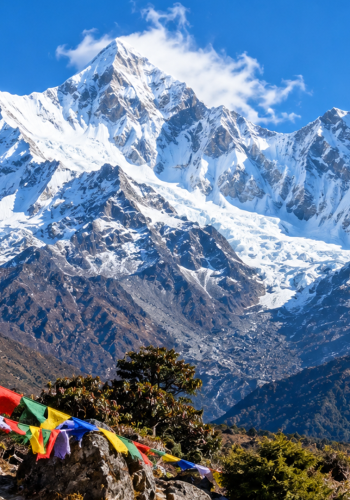
TIBET has fascinated mankind for centuries. This land beyond the Himalayas, on the highest plateau in the world, was inaccessible to the outside world and has always been a challenge to all mortal beings as a unique destination: Tibet is a land of spectacular horizons, majestic peaks, breathtaking canyons, serene highland lakes, pastures and farmlands and virgin forests. It is also a land of ancient Buddhist culture, artistic monasteries and centuries-old caravan trails. Its snow-capped mountains and windswept plateaus are the highest in the world. The world's highest mountain - Mount Everest, begins in southern Tibet. Ka-erh in western Tibet, with an altitude of over 15,000 feet (4,570 meters) above sea level, is considered the highest city in the world. The valley floors in Tibet are higher than the mountains of most countries. Tibet has an area of ​​about 471,700 square miles (1,221,600 square kilometers), an average elevation of 16,000 feet (4,880 meters) and a population of 2.3 million. This "land of awesome mysteries", forbidden not only by man but also by nature, calls out to all explorers, researchers, pilgrims and adventurers seeking the "REAL SHANGRI-LA"

  • Unveil the mystery of UNESCO World Heritage Sites of the Kathmandu Valley, the capital city of Nepal..
  • Drive from one country of the Himalayas to another, sharing deep cultural ties from Kathmandu to Kerung and along Tibet.
  • Astonishing mountain vistas throughout the entire tour.
  • Leave your footprint at the North Everest Base Camp (EBC) at 5,150 m, promising a great sense of adventure and achievement.
  • Marvel at the wide spread of the Tibetan Plateau and its desert-like landscapes.
  • Venture around Tibet’s iconic Potala Palace, Tashilumpo Monastery, Barkor Streets, Rongbuk Monastery, Gyantse Dzong, Nechung Monastery, Jokhang Temple, and many more.
  • Unveil the mystery of UNESCO World Heritage Sites of the Kathmandu Valley, the capital city of Nepal..
  • Drive from one country of the Himalayas to another, sharing deep cultural ties from Kathmandu to Kerung and along Tibet.
  • Astonishing mountain vistas throughout the entire tour.
  • Leave your footprint at the North Everest Base Camp (EBC) at 5,150 m, promising a great sense of adventure and achievement.
  • Marvel at the wide spread of the Tibetan Plateau and its desert-like landscapes.
  • Venture around Tibet’s iconic Potala Palace, Tashilumpo Monastery, Barkor Streets, Rongbuk Monastery, Gyantse Dzong, Nechung Monastery, Jokhang Temple, and many more.
Itinerary

Seeking for a real adventure? Our travel itinerary is based on years of trekking expertise, ensuring that you have a fun and safe vacation. However, like with all such risky excursions, there may be instances where we must change the schedule, possibly without much notice. While we make every attempt to stick to the timetable, we humbly ask for your patience and flexibility if unforeseen circumstances like weather or unforeseen natural events come into play. You may be sure that our knowledgeable guides will adjust as needed to make your tour as enjoyable as possible.

Schedule for each day
Days: 1: Arrive at Tribhuwan International Airport (TIA) Kathmandu  
After arriving in Kathmandu, a representative from Nepal New Generation will pick us up from the airport and take us to our hotel. In the afternoon, we may take a rest or visit Nepal New Generation’s office. In the evening, there will be a welcome dinner hosted by Nepal New Generation. For dinner, you will be served authentic Nepalese cuisine which will introduce you to the country’s food culture. Overnight in Kathmandu. Included meals:Dinne
Days: 2: Obtain Chinese Visa and Kathmandu Valley Sightseeing Tour  
Good morning! Day two is your sightseeing trip to the Kathmandu Valley. Get ready with your breakfast. Our representative will be in a private vehicle outside your Hotel for your day’s visit. The drive from your Hotel is towards Kathmandu Durbar Square. If you stay in Thamel’s Hotel, it will take 10-15 minutes to get to Kathmandu Durbar Square, depending on traffic conditions. Our guide will briefly explain each of the monuments and the historical significance of Kathmandu Durbar Square as you start visiting there. The drive moves towards Swayambhunath from Kathmandu Durbar Square. It is a 10-15 minute drive from Kathmandu Durbar Square to reach Sawambhunath. At Sawambhunath, travelers can appreciate the 360-degree view of Kathmandu Valley and feel the spiritual ambiance of the temple. The drive moves Boudhanath from Swayambhunath temple. It takes 25-30 minutes to get to Boudhanath stupa from Sawambhunath temple. You will find the same atmosphere and practices at Boudhanath as you saw at Sawambhunath, as both are prominent Buddhist religious sites. Visitors can participate in stupa Circumambulation by spinning prayer wheels at Boudhanath and can appreciate the view of the Stupa while having a delicious meal at the rooftop restaurant.
Days: 3: Fly from Kathmandu to Lhasa (3650m).  
The journey towards Lhasa begins with a flight from Kathmandu International Airport to Gonggar Airport. It is an hour’s aerial flight from Tribhuvan International Airport to Gonggar Airport. The flight offers a bird’s eye view of Nepal’s iconic mountain peaks, including Mount Everest, Mt.Cho Oyu, Shishapangma, and Mt.Kanchenjunga. As you land at the Gonggar Airport, our guide will pick you up and take you to your Hotel. It is about a one-hour drive from Gonggar Airport to Lhasa, covering a distance of 93km. After getting to the Hotel, check in, rest, and take time to adjust to the changed temperature and altitude. Your overnight stay and dinner will be at the Lhasa Hotel.
Days: 4: Lhasa Exploration Car 4-5 hour Overnight Lhasa  
Good morning at the Lhasa! From today, travelers visit the cultural sites and some popular areas of Lhasa. Your day begins with a warm breakfast at your Hotel. After breakfast, we will pick you up from your Hotel and take you to Potala Palace. The Palace was a resistance place of Dalai Lamas from 1649 to 1959, but it is now a museum and a world heritage site. The Palace is 117 m high, with 13 stories, more than 1,000 rooms, 10,000 shrines, and about 200,000 statues. After the visit to Potala Palace, the drive moves towards Norbulingka Palace. The Palace lies in a tranquil and stunning garden in western Lhasa, southwest of Potala Palace. The Norbulingka Palace is famous for being the summer residence of the Dalai Lama. It is a world heritage site that serves as an administrative and religious center. Visitors can witness the cars the 13th Dalai Lama imported to Tibet while visiting Norbulingka Palace. From Norbulingka Palace, the drive moves towards the day’s final destination: the Tibet Museum. The museum houses many artifacts and exhibits from Tibet’s ancient times. After a visit to three stunning ancient monuments in Lhasa, we will drop you off at your Hotel. You will stay overnight and have dinner at the Lhasa Hotel.
Days: 5: Lhasa Sightseeing Car 4-5 hour Overnight Lhasa  
After your morning meal, another day of exploration and sightseeing in Lhasa begins. Sera Monastery is the first sightseeing site of the day. The monastery is one of the prominent sites of Lhasa and also a university of Buddhism. During the visit to Sera Monastery, travelers can appreciate the Main Assembly Hall (Tsokchen Hall), Debating Courtyard, College Halls, Statues, and Stupas and witness religious practices. The drive moves towards Drepung Monastery, one of the three pillars of the Tibetan state. Built-in 1416, the Drepung monastery was the largest monastery in Tibet and a prominent site for the Gelupa sect of Buddhism. The monastery’s setting, with its vast courtyards and dense forests, makes it one of the most peaceful sites to visit in Lhasa. During the visit, travelers can participate in a 90-minute circumambulation. Jokhang Temple is another sightseeing destination after Drepung Monastery. Built-in 647 AD, it is one of the most sacred temples in Lhasa. The temple is a UNESCO World Cultural Heritage Site inside Barkhor Square. The Jowo Shakyamuni statue is the major attraction of the Jhkhang temple, and visitors can take a glimpse. The day ends with a visit to Barkhor Bazaar, the oldest street in Lhasa, with a history of over 1,300 years. The Bazaar is well-known for its shopping. The Jhokang Temple, which lies on the street of Barkhor Bazaar, adds significance to the Bazaar. Dorje, Saffron, Tibetan Jewelry Boxes, Tibetan Wooden Bowls, Snuff Bottles, Prayer Wheels (Mani), Diamond Knots, and Millettia bracelets are the prominent Souvenirs found in Barkhor Bazaar. After a pleasant day exploring Lhasa’s numerous areas and historical sites, we will drop you off at the Hotel, Where you will have a meal and spend the night.
Days: 6: Drive to Xigatse (3900m) Car 6-7 hour Overnight Xigatse  
On the sixth day, the journey moves to Xigatse (Shigatse) from Lhasa. After breakfast at Lhasa’s Hotel, you will drive towards the day’s destination, Xigatse. The journey follows the China National Highway 318 through a well-maintained road in a smooth drive. The drive from Lhasa to Xigatse passes through some of the stunning scenery of Tibet. The drive passes provide a panorama of Yamdrok Lake, Yamdrok Lake, Gyantse Town, and Shalu Monastery. It takes 6-7 hours to reach Xigatse (Shigatse) at 3900m from Lhasa, covering a distance of 280km. As you reach Xigatse, you can visit the nearby areas. Your overnight and dinner are at the Hotel Hotelgatse (Shigatse).
Days: 7: Drive to Gyantse (3950m) Car 2-3 hour Overnight Gyantse  
You will visit the Tashilhunpo Monastery in Xigatse early in the morning and drive towards Gyantse after breakfast. The drive offers you a glimpse into the stunning landscapes of Tibet. You’ll pass through beautiful countryside landscapes with incredible sights of rolling hills and traditional Tibetan villages. Also, the drive offers a spectacular panorama of Karola Glacier. After 2-3 hours of driving covering a distance of 90km, you will reach the day’s destination, Gyantse, at 3950m. Upon reaching Gyantse, you will rest and then visit Gyantse Dzong. On the hilltop, Gyantse Dzong is a historic fortress; from there, you can appreciate the beauty of the surrounding valley. You will end your day with a visit to Pelkor Chode Monastery and Kumbum Stupa. Your overnight and dinner are at Gyantse’s Hotel.
Days: 8: Drive to Tsedang (3400m) Car 5-6 hour Overnight Tsedang  
Day eight takes you to Tsedang at 3400m above sea level. After having a morning meal at Gyantse’s tea house, you will drive towards the day’s destination. The initial phase of the drive passes through a picturesque landscape with traditional Tibetan houses, terraced fields of barley, and grazing yaks. It takes 5-6 hours to drive from Gyantse to Tsedang through a scenic drive. The day’s night stay and dinner are at Tsedang’s Hotel.
Days: 9: Drive to Samye Tsedang (3100m) Car 2-3 hour Overnight Samye Tsedang  
The ninth day is the second and last day of your journey to the Lhasa cultural tour, Samye Tsedang (3100m). After breakfast at Tsedang’s Hotel, you will drive towards Samye in the early morning. The route to Samye Tsedang follows a winding path along the Yarlung Tsangpo River. The drive provides stunning views of the valley and the surrounding landscapes. After covering approximately 65km and taking 2-3 hours to drive, you will reach Samye. You will visit the first Buddhist monastery built in Tibet, Samye Monastery. You can appreciate the monastery’s architectural beauty and participate in a spiritual experience there. After exploring the monastery, you will get to your Hotel for dinner and an overnight stay.
Days: 10 Lhasa airport and fly to Kathmandu. Flight 1 hour  
Day tenth is the final day in your Lhasa. Early in the morning, after breakfast, you will drive to Lhasa’s Gonggar Airport to return to Kathmandu. It is 2 hours of drive from Samye Tsedang to get to Gonggar Airport. You will check in for Kathmandu’s flight when you get to the airport. An hour of aerial flight with a bird’s gaze of the stunning landscape of Tibet and Nepal takes you to Tribhuvan International Airport in Kathmandu. Upon landing, we will pick you up and drop you off at your Hotel. Your dinner and night stay is at the Kathmandu Hotel.
Days: 11: Farewell  
The airport representative from Nepal New Generation Family will transport you to Kathmandu International Airport around 3 hours before your scheduled flight from where you will depart. Meals: Breakfast included.
Reservation & Date
Wednesday
08 Jan 2025
Wednesday
31 Dec 2025
$175 Off
$3325
$3500
10 Seats
Available
Services Included
  • Airport /Hotel/Airport pick up and drop by car/van/bus.
  • Flight tickets from Kathmandu to Lhasa Kathmandu.
  • Lhasa hotel in B/B plan.
  • Lhasa city sightseeing can be done by private car/van/bus.
  • He was a highly experienced, helpful, and friendly Guide who provided food, accommodation, salary, insurance, and equipment.
  • Tibet visa and entry fee.
  • All Government taxes
  • All ground transportation in Nepal and Tibet.
Services Excluded
  • Travel insurance.
  • Lunch and Dinner
  • Donation and tips
  • All sightseeing entry fees.
Frequently Asked Questions

The answers to your questions regarding the Nepal New Generation Trek, what this trip entails, and what is needed can be found in the following frequently asked questions. If your question isn't addressed there, don't hesitate to contact us.

On your tour days to Tibet during the combined Nepal Tibet Cultural Heritage and Nature Experience Tour, you will get a golden chance to dip into Tibetan Buddhism. The capital city of Tibet only also the largest city hosts several iconic cultural, religious, and historical sites such as Potala Palace, Jokhang Temple, Sera, Drepung, and several others. Perched atop a hill with spectacular views of the city below, originally built in the 7th century by Kung Songtsen Gompa and refined and expanded by the 5th Dalai Lama in the 17th century, Potala Palace is the former winter residence of the Dalai Lama. The palace is remarked for its sublime combination of Tibetan and Buddhist style architecture, displaying murals, shrines, and chapels that are listed as one of the UNESCO World Heritage Sites. Similarly, the Jokhang Temple is taken as the most scared temple in Tibet dating back to the 7th century, housing the idol of Jowa Shakyamuni Buddha and is revered by devotees across Tibet and beyond, where one can offer prayers and circumambulate the temple, which is said to free humans from karma. The temple’s architecture is an amazing fusion of Nepalese, Indian, and Tibetan styles. In addition, once the largest monasteries of Tibet, Drepung and Sera the north of Lhasa is a spiritual hub for learning and teaching Buddhism. These monasteries generally consist of a complex layout including chapels, residences of monks, and large assembly halls in a serene environment, which adds much to the spiritual ambiance with prayer flags, spinning wheels, and holy chanting.

As you drive towards Tibet from Nepal, the wide stretch of the Tibetan Plateau welcomes you with its out-of-the-world beauty of the towering Himalayan peaks, pristine lakes, sacred rivers, and unique desert-like terrains. The vast Tibetan Plateau spread endlessly features rugged terrain, lush valleys, and expansive grasslands added much by the panoramic peaks like Mount Everest (North Face) and Mount Kailash as you make your way to Lhasa, passing by turquoise lake Yamdrok Tso reflecting the sky’s beauty. The jaw-dropping landscape also includes the region’s source of major rivers like Brahmaputra, Indus, and Mekong carving deep gorges and valleys with their own religious and cultural significance, along with high altitude passes usually dotted with prayer flags further enhancing the beauty. The rocky formations are also to die for. The sand dunes give you access to otherworldly landscapes like never seen before, while the serene beauty of the countryside offers several moments of tranquillity. You can experience it all during the Nepal Tibet Cultural Heritage and Nature Experience Tour.

The traditional architecture, vibrant festivals, and warm locals represent Tibet’s unique culture. The holy places like the Jokhang Temple, Potala Palace, Barkhor Street, Sere, and Drepung monasteries are also some of the best spots to witness the day-to-day life, providing a deep understanding of the religion, customs, and way of life of the area. Usually, early in the morning and evening, you can see locals and monks praying, performing rituals, and making offerings, demonstrating a strong Buddhist tradition. The sound of hum can be heard almost everywhere while it comes together with pilgrims, busy marketplaces, and traditional Tibet products to provide you with a window into local life. The country is guided by Tibetan Buddhism and celebrates its own festivals like Lhosar and has its distinctive dialects, traditional dance, music, arts, and customs, the rich tapestry, and its serene fusion of nature and spirituality, which is definitely what the combined Nepal Tibet Cultural Heritage and Nature

Though the total cost for the Nepal Tibet Cultural Heritage and Nature Experience Tour for 2025/2026 can vary significantly based on the duration, level of service you have selected for yourself, and the size of your trip group, we Nepal New Generation Trek are renowned for offering the best package cost. We are offering a group discounted price based on our trekkers, traveller, and visitor's affordability, area of interest, and the experience you are seeking during the journey.