The Tsum Valley Trek and Manaslu Circuit is an extraordinary Himalayan adventure that combines the remote, culturally rich Tsum Valley with the spectacular Manaslu Circuit Trek. Organized by Nepal New Generation Trek & Adventure Pvt. Ltd., this challenging and rewarding journey takes travelers deep into the heart of the Nepalese Himalayas, offering breathtaking mountain scenery, ancient Buddhist monasteries, traditional villages, dramatic landscapes, and authentic Himalayan culture.
The trek begins with a scenic drive from Kathmandu to Machha Khola, followed by a gradual trek along the Budhi Gandaki River. The trail passes through beautiful forests, terraced hillsides, waterfalls, suspension bridges, and traditional Gurung villages. As the elevation increases, the landscape becomes increasingly rugged and spectacular, with towering Himalayan peaks appearing above the deep river valleys.
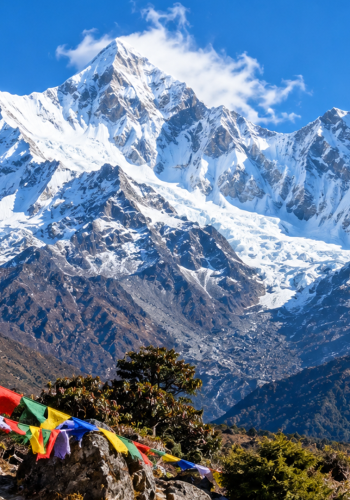
One of the greatest highlights of this adventure is the Tsum Valley, often regarded as one of Nepal's hidden Himalayan valleys. Surrounded by impressive mountains, the valley has preserved its unique Tibetan Buddhist culture and traditional way of life. Trekkers encounter ancient monasteries, chortens, mani walls, prayer flags, and remote settlements where local people continue their traditional customs and practices.
During the Tsum Valley section, the trail leads through beautiful villages such as Lokpa, Chumling, Chhokangparo, Nile, and Mu Gompa. The visit to Mu Gompa, situated at a high elevation, is particularly memorable for its peaceful surroundings and spiritual importance. The route also includes opportunities to visit Rachen Gompa and Gumba Lungdang, where trekkers can experience the religious and cultural heritage of the region. An excursion toward Ganesh Himal Base Camp offers another spectacular Himalayan experience, with panoramic views of surrounding peaks and remote mountain landscapes.
After exploring the Tsum Valley, the trek reconnects with the Manaslu Circuit and continues through the spectacular Budhi Gandaki valley. The route gradually climbs toward the higher settlements of the Manaslu region, passing through Deng, Namrung, Lho, Sama Gaun, and Samdo. Along the way, trekkers enjoy magnificent views of Mount Manaslu (8,163m) and numerous surrounding Himalayan peaks.
Sama Gaun is an important acclimatization point on the Manaslu Circuit. Trekkers can spend time exploring the traditional village, visiting monasteries, or taking a short hike to nearby viewpoints and glacial landscapes. The gradual acclimatization helps prepare the body for the higher elevations and the challenging crossing ahead.
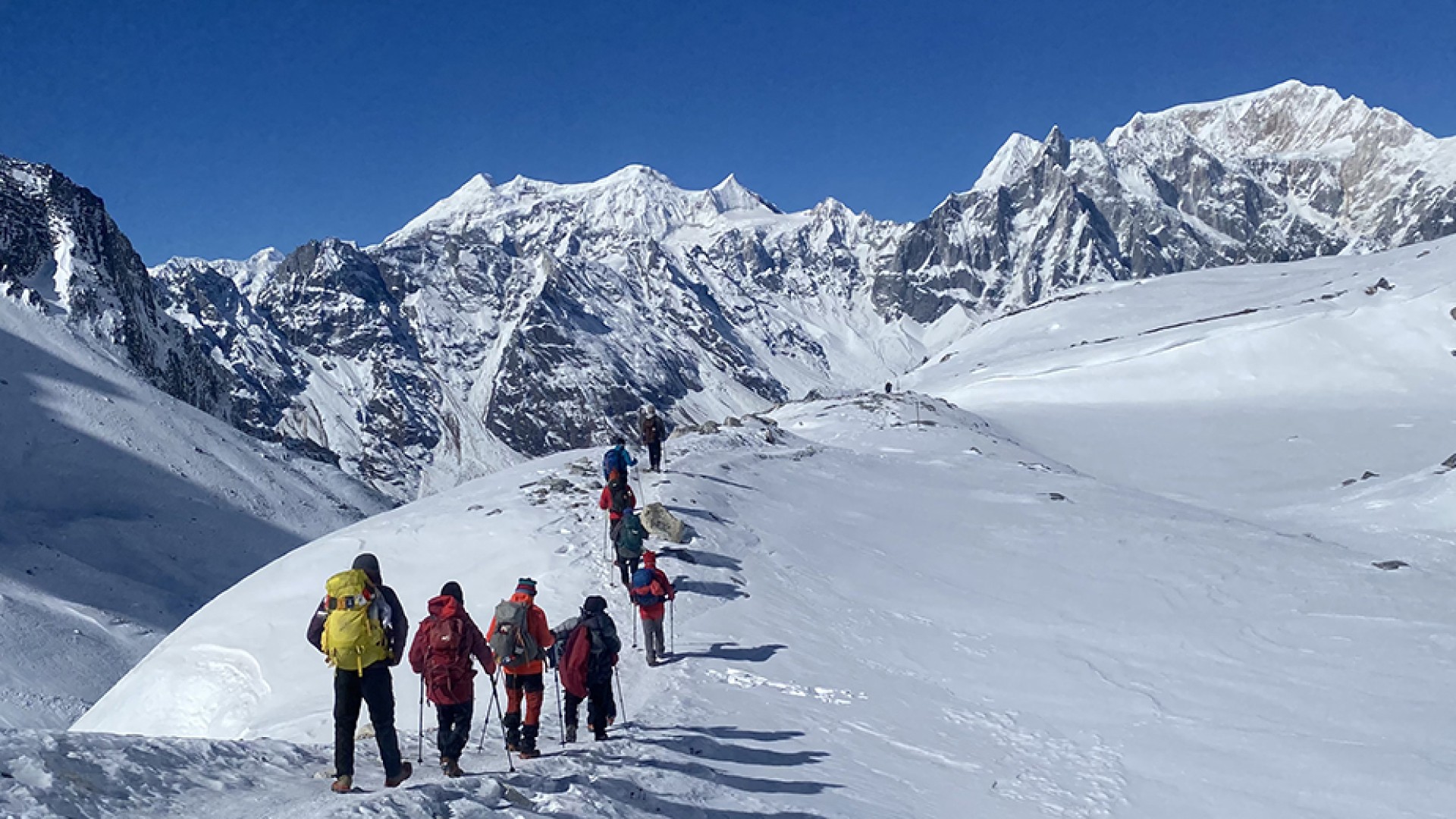
The major adventure of the Manaslu Circuit is the crossing of Larkya La Pass at approximately 5,160m. The ascent can be demanding because of the high altitude and changing mountain conditions, but reaching the summit of the pass is an unforgettable achievement. From Larkya La, trekkers can enjoy magnificent panoramic views of the surrounding Himalayan ranges before beginning the descent toward Bimthang.
After crossing the pass, the landscape changes dramatically as the trail descends through beautiful alpine meadows, forests, and mountain valleys toward Bimthang and the lower regions. The final section of the trek provides a pleasant contrast to the high-altitude environment before the journey concludes with a drive back toward Kathmandu.
The Tsum Valley Trek and Manaslu Circuit is much more than a mountain trek. It is a journey through Nepal's natural beauty, cultural heritage, spiritual traditions, and remote Himalayan communities. The combination of the secluded Tsum Valley and the challenging Manaslu Circuit makes this adventure especially attractive to trekkers looking for an authentic experience away from the more crowded trekking routes.
Nepal New Generation Trek & Adventure Pvt. Ltd. is a Nepal-based trekking and adventure company dedicated to providing safe, reliable, and memorable Himalayan experiences. Our experienced trekking guides and support team manage the necessary logistics, permits, accommodation, transportation, meals, and trekking arrangements throughout the journey.
We emphasize safety, responsible tourism, environmental protection, and respect for local culture and communities. Our team works closely with local people and experienced mountain professionals to ensure that every trek is organized efficiently and responsibly.
The Tsum Valley Trek and Manaslu Circuit is ideal for adventurous travelers who want to explore remote Himalayan landscapes, experience authentic Tibetan Buddhist culture, discover ancient monasteries, walk through traditional mountain villages, and challenge themselves with the spectacular Larkya La Pass.
From the peaceful monasteries of Tsum Valley to the towering peaks of the Manaslu region, every stage of this trek offers something unique. Join Nepal New Generation Trek & Adventure Pvt. Ltd. for an unforgettable journey through the hidden valleys, ancient cultures, and magnificent mountains of the Nepal Himalayas.


The Tsum Valley Trek and Manaslu Circuit is a remarkable Himalayan adventure that combines the sacred and culturally rich Tsum Valley with the spectacular Manaslu Circuit. This challenging and rewarding trek takes you through remote mountain villages, ancient Buddhist monasteries, lush forests, dramatic river valleys, and high alpine landscapes, offering breathtaking views of Mount Manaslu (8,163m) and surrounding Himalayan peaks.
The journey provides a unique opportunity to experience the traditional Tibetan-influenced culture of the Tsum Valley while exploring one of Nepal’s most scenic and less-crowded trekking regions. Highlights include Mu Gompa, Rachen Gompa, Gumba Lungdang, Ganesh Himal Base Camp, the beautiful Manaslu region, and the challenging Larkya La Pass (5,160m).
Organized by Nepal New Generation Trek & Adventure Pvt. Ltd., this trek is carefully designed with experienced guides, reliable logistics, proper acclimatization, and a strong focus on safety and responsible tourism. The Tsum Valley Trek and Manaslu Circuit is an ideal choice for adventurous travelers seeking authentic Himalayan culture, spectacular scenery, peaceful trails, and an unforgettable journey through the remote mountains of Nepal.
Seeking for a real adventure? Our travel itinerary is based on years of trekking expertise, ensuring that you have a fun and safe vacation. However, like with all such risky excursions, there may be instances where we must change the schedule, possibly without much notice. While we make every attempt to stick to the timetable, we humbly ask for your patience and flexibility if unforeseen circumstances like weather or unforeseen natural events come into play. You may be sure that our knowledgeable guides will adjust as needed to make your tour as enjoyable as possible.
At Nepal New Generation Trek & Adventure Pvt. Ltd., we carefully manage every aspect of the Tsum Valley Trek and Manaslu Circuit to provide our guests with a safe, comfortable, and well-organized Himalayan adventure. Our experienced trekking team handles the necessary permits, transportation, accommodation, meals, guides, porters, acclimatization, and trekking logistics throughout the journey.
The trek is operated by an experienced, licensed, and professional trekking guide who is familiar with the Tsum Valley and Manaslu region. Depending on group size and requirements, porters and additional support staff are arranged to carry luggage and assist with the smooth operation of the trek.
The Tsum Valley and Manaslu region is a restricted and regulated trekking area. We arrange the necessary trekking permits, conservation area permits, and other required documentation before the trek begins. Trekkers are required to carry their valid passports and necessary travel documents.
Private tourist transportation is arranged for the road journeys between Kathmandu, Machha Khola, and the trekking region, as well as the return journey toward Kathmandu via Besisahar. Our team coordinates transportation according to the trekking itinerary and road conditions.
During the trek, accommodation is provided in carefully selected local teahouses and lodges. Rooms are generally simple and comfortable, usually with twin beds and shared bathroom facilities. Accommodation becomes more basic at higher elevations, particularly around Dharmasala.
During the trekking days, we provide breakfast, lunch, and dinner at local teahouses. Meals generally include a combination of traditional Nepali, Tibetan, Indian, and continental dishes. We recommend that trekkers drink sufficient water throughout the journey, especially at higher elevations.
Proper acclimatization is an important part of our operation. The itinerary includes acclimatization and rest periods, particularly around Sama Gaun, before ascending toward Samdo, Dharmasala, and Larkya La Pass. Our guides monitor trekkers for symptoms of altitude sickness and provide appropriate advice throughout the trek.
Safety is our highest priority. Our guides carry basic first-aid supplies and are trained to recognize common altitude-related problems. In case of serious illness or emergency, our team coordinates evacuation and other necessary assistance according to the situation and available facilities.
Mobile phone coverage and internet access can be limited in remote sections of the Tsum Valley and Manaslu region. Our guides assist with communication whenever local networks or teahouse Wi-Fi are available. Trekkers should be prepared for periods without reliable connectivity.
Nepal New Generation Trek & Adventure Pvt. Ltd. promotes responsible tourism by encouraging respect for local culture, traditions, wildlife, and the natural environment. We support local teahouses and communities and encourage trekkers to minimize plastic waste, dispose of rubbish properly, and respect Buddhist monasteries and sacred sites.
From airport arrival to final departure, our team coordinates the complete trekking operation. We maintain regular communication with our guides and support staff and make practical adjustments when necessary due to weather, trail conditions, health, or other unforeseen circumstances.
With Nepal New Generation Trek & Adventure Pvt. Ltd., trekkers can focus on enjoying the spectacular Himalayan scenery, unique Tsum Valley culture, Mount Manaslu, and the challenging Larkya La Pass while our experienced team takes care of the essential logistics and operational details.
The answers to your questions regarding the Nepal New Generation Trek, what this trip entails, and what is needed can be found in the following frequently asked questions. If your question isn't addressed there, don't hesitate to contact us.


© 2026 -Nepal New Generation Trek & Adventure Pvt. Ltd. All Rights Reserved.
Coded with by KTM Rush.





 Available